Sorry for such a long break in writing, but to be honest the season was pretty blah for new releases. We’ve seen a lot of replica duplication (variants of the same model) happen recently, such as the 10,000 versions of the Hublot Big Bang to show up in the past few months. Let’s not talk about the number of Bell & Ross replica variants on the market…
There have been some new models to show up, like the new Chopard Chronographs and some updates of old standards, like the new Rolex Seadweller replicas, but nothing really exciting.
I’m wondering if 2008 delivers on the promises that 2007 made. There have been several updates in technology and capability in the replica industry. We’ll see how that translates to product in the new year.
Wednesday, April 2, 2008

Kitchen Cabinet Refacing
When remodeling your kitchen, an alternative to replacing your cabinets entirely, is to reface them. With refacing cabinets, you can achieve a beautiful new kitchen while spending half the amount of money. You will literally be giving your cabinets a face-lift!
In the refacing process, existing doors, drawer fronts and hardware are removed and replaced with new ones. For cabinet doors, a wide variety of veneers and laminates are available to cover old surfaces. Other noticeable surfaces such as cabinet ends and frames are finished to match. Cabinet interiors are either refinished or repainted. Cabinet refacing is available in a variety of styles, materials and colors.
Neither the kitchen layout nor the amount of space available is affected by refaced cabinets. Doors, drawer fronts, and hardware are refaced and then put right back into their previous place, leaving your current arrangement untouched. A beautiful new look will be created, but you will still be standing in the same kitchen. If you are looking for a more drastic change, consider installing a few new cabinets to alter the look a bit more. In addition, new pull out or swivel shelves can also be installed to enhance the appearance and feel.
Not only does refacing cabinets improve the overall look of your kitchen, but it also greatly improves the durability of your cabinets. It helps protect and lengthen the life of your existing cabinetry, adding overall worth to your home.
Looking For More Information About Kitchen Cabinets?
Kitchen cabinets are a great investment in your home. You’ll want to make sure you are choosing the right cabinets contractor for your new house and your budget. We offer Free Cabinet Price Quotes from local, prescreened contractors.
In the refacing process, existing doors, drawer fronts and hardware are removed and replaced with new ones. For cabinet doors, a wide variety of veneers and laminates are available to cover old surfaces. Other noticeable surfaces such as cabinet ends and frames are finished to match. Cabinet interiors are either refinished or repainted. Cabinet refacing is available in a variety of styles, materials and colors.
Neither the kitchen layout nor the amount of space available is affected by refaced cabinets. Doors, drawer fronts, and hardware are refaced and then put right back into their previous place, leaving your current arrangement untouched. A beautiful new look will be created, but you will still be standing in the same kitchen. If you are looking for a more drastic change, consider installing a few new cabinets to alter the look a bit more. In addition, new pull out or swivel shelves can also be installed to enhance the appearance and feel.
Not only does refacing cabinets improve the overall look of your kitchen, but it also greatly improves the durability of your cabinets. It helps protect and lengthen the life of your existing cabinetry, adding overall worth to your home.
Looking For More Information About Kitchen Cabinets?
Kitchen cabinets are a great investment in your home. You’ll want to make sure you are choosing the right cabinets contractor for your new house and your budget. We offer Free Cabinet Price Quotes from local, prescreened contractors.
Lowering Your Kitchen Refacing Cost with Laminate
by Kelly RichardsonFace Your Kitchen Columnist
When you consider that the cost of purchasing new wood cabinets for a 10×12-ft. kitchen can easily top $5,000 or more, refacing with laminate seems much more sensible. Lower your kitchen refacing cost and get the same great results in one quick project.
Perhaps you’ve heard the buzz about the value and durability of laminate. Laminate is made using several layers of various materials pressed together and sealed, typically with an adhesive. The advantage for you, aside from the lower cost, is that the materials are easy to use and come in a variety of colors and finishes. No need to stain or paint when you’re finished. Simply attach and let it set.
High Pressure Decorative Laminate. Examples of laminate materials include Formica and plywood, often referred to as high pressure decorative laminate (HPDL). Popular brands such as Wilsonart, Pionite, or Centuryply Mica are created with heat and pressure several times higher than basic kitchen refacing laminates. Tough and durable, these materials come at a much cheaper cost than real wood.
Wood Veneer. If you’re simply dead set on wood, a new type of decorative laminate is available using real wood veneer or multi-laminar veneer as a cover surface. Veneer is thin slices of wood, usually thinner than 1/8 inch, glued and pressed onto core panels. Wood veneer panels can be beaded into decorative edging without skyrocketing your kitchen refacing cost. Alpikord, produced by Alpi spa, is one of the more popular wood veneer options.
Many homeowners find that customized laminates can save them thousands of dollars in kitchen refacing costs. And anything that stretches your home design dollar is worth checking into.
About the AuthorKelly Richardson covers the home improvement scene in between his seasonal projects. His articles appear wherever intelligent interior design is valued.
When you consider that the cost of purchasing new wood cabinets for a 10×12-ft. kitchen can easily top $5,000 or more, refacing with laminate seems much more sensible. Lower your kitchen refacing cost and get the same great results in one quick project.
Perhaps you’ve heard the buzz about the value and durability of laminate. Laminate is made using several layers of various materials pressed together and sealed, typically with an adhesive. The advantage for you, aside from the lower cost, is that the materials are easy to use and come in a variety of colors and finishes. No need to stain or paint when you’re finished. Simply attach and let it set.
High Pressure Decorative Laminate. Examples of laminate materials include Formica and plywood, often referred to as high pressure decorative laminate (HPDL). Popular brands such as Wilsonart, Pionite, or Centuryply Mica are created with heat and pressure several times higher than basic kitchen refacing laminates. Tough and durable, these materials come at a much cheaper cost than real wood.
Wood Veneer. If you’re simply dead set on wood, a new type of decorative laminate is available using real wood veneer or multi-laminar veneer as a cover surface. Veneer is thin slices of wood, usually thinner than 1/8 inch, glued and pressed onto core panels. Wood veneer panels can be beaded into decorative edging without skyrocketing your kitchen refacing cost. Alpikord, produced by Alpi spa, is one of the more popular wood veneer options.
Many homeowners find that customized laminates can save them thousands of dollars in kitchen refacing costs. And anything that stretches your home design dollar is worth checking into.
About the AuthorKelly Richardson covers the home improvement scene in between his seasonal projects. His articles appear wherever intelligent interior design is valued.
Lowering Your Kitchen Refacing Cost with Laminate
by Kelly RichardsonFace Your Kitchen Columnist
When you consider that the cost of purchasing new wood cabinets for a 10×12-ft. kitchen can easily top $5,000 or more, refacing with laminate seems much more sensible. Lower your kitchen refacing cost and get the same great results in one quick project.
Perhaps you’ve heard the buzz about the value and durability of laminate. Laminate is made using several layers of various materials pressed together and sealed, typically with an adhesive. The advantage for you, aside from the lower cost, is that the materials are easy to use and come in a variety of colors and finishes. No need to stain or paint when you’re finished. Simply attach and let it set.
High Pressure Decorative Laminate. Examples of laminate materials include Formica and plywood, often referred to as high pressure decorative laminate (HPDL). Popular brands such as Wilsonart, Pionite, or Centuryply Mica are created with heat and pressure several times higher than basic kitchen refacing laminates. Tough and durable, these materials come at a much cheaper cost than real wood.
Wood Veneer. If you’re simply dead set on wood, a new type of decorative laminate is available using real wood veneer or multi-laminar veneer as a cover surface. Veneer is thin slices of wood, usually thinner than 1/8 inch, glued and pressed onto core panels. Wood veneer panels can be beaded into decorative edging without skyrocketing your kitchen refacing cost. Alpikord, produced by Alpi spa, is one of the more popular wood veneer options.
Many homeowners find that customized laminates can save them thousands of dollars in kitchen refacing costs. And anything that stretches your home design dollar is worth checking into.
About the AuthorKelly Richardson covers the home improvement scene in between his seasonal projects. His articles appear wherever intelligent interior design is valued.
When you consider that the cost of purchasing new wood cabinets for a 10×12-ft. kitchen can easily top $5,000 or more, refacing with laminate seems much more sensible. Lower your kitchen refacing cost and get the same great results in one quick project.
Perhaps you’ve heard the buzz about the value and durability of laminate. Laminate is made using several layers of various materials pressed together and sealed, typically with an adhesive. The advantage for you, aside from the lower cost, is that the materials are easy to use and come in a variety of colors and finishes. No need to stain or paint when you’re finished. Simply attach and let it set.
High Pressure Decorative Laminate. Examples of laminate materials include Formica and plywood, often referred to as high pressure decorative laminate (HPDL). Popular brands such as Wilsonart, Pionite, or Centuryply Mica are created with heat and pressure several times higher than basic kitchen refacing laminates. Tough and durable, these materials come at a much cheaper cost than real wood.
Wood Veneer. If you’re simply dead set on wood, a new type of decorative laminate is available using real wood veneer or multi-laminar veneer as a cover surface. Veneer is thin slices of wood, usually thinner than 1/8 inch, glued and pressed onto core panels. Wood veneer panels can be beaded into decorative edging without skyrocketing your kitchen refacing cost. Alpikord, produced by Alpi spa, is one of the more popular wood veneer options.
Many homeowners find that customized laminates can save them thousands of dollars in kitchen refacing costs. And anything that stretches your home design dollar is worth checking into.
About the AuthorKelly Richardson covers the home improvement scene in between his seasonal projects. His articles appear wherever intelligent interior design is valued.
The Real Beginning of 2008 - Replica Watches after Chinese New Year
Now that the Chinese New Year is finally almost behind us I expect to see some very interesting things coming out of the far east as far as replica watches go. During the month of February the entire nation of China (and with it most of the replica watch manufacturers) goes on extended holidays and shuts down most businesses as people go to spend time with their family. Janurary is spent in preparation for this, so very little in terms of innovation comes out until March. Now we have seen some interesting peices come early this year, like a very accurate Graham Oversize. I hope to post photos of this on the Replica Watch Report soon.
Beginning in March I expect a variety of new models to come out. The factories HAVE to have exhausted their supply of Hublot Big Bang cases. Look for more accurate Rolex sports watches (more accurate cases, and properly shaped crown guards I’m seeing) as well as new brands such as the Graham mentioned before. Each generation of replicas is getting more and more visually accurate. Still, they are fakes, and do tend to suffer from horrible quality control in a lot of instances. One watch may work perfectly, and the exact next watch on the assembly line (well, that’s a stretch. Some of these watches are assembled on people’s kitchen tables) may be an absolute piece of shit.
Some dealers, like TTK, spend time testing each watch they get before they ship them out. But many are under pressure to get inventory to the masses (by the buyers) who will brook no delay in getting their goods, even if it’s in their best interest. This makes second-hand replica watches an even greater hazzard.
Beginning in March I expect a variety of new models to come out. The factories HAVE to have exhausted their supply of Hublot Big Bang cases. Look for more accurate Rolex sports watches (more accurate cases, and properly shaped crown guards I’m seeing) as well as new brands such as the Graham mentioned before. Each generation of replicas is getting more and more visually accurate. Still, they are fakes, and do tend to suffer from horrible quality control in a lot of instances. One watch may work perfectly, and the exact next watch on the assembly line (well, that’s a stretch. Some of these watches are assembled on people’s kitchen tables) may be an absolute piece of shit.
Some dealers, like TTK, spend time testing each watch they get before they ship them out. But many are under pressure to get inventory to the masses (by the buyers) who will brook no delay in getting their goods, even if it’s in their best interest. This makes second-hand replica watches an even greater hazzard.
Soggy cold cereal, warm memories
“The floor was linoleum, and there would always be dogs on the floor. There was a big, faded green sofa, and Floyd the farmer would smoke a lot in there. The kitchen had the smell of leather, manure, baking bread and yeast, always the smell of maple syrup and wood from the wood stove.”– Christopher Kimball, editor of Cook’s Illustrated magazine, remembering the kitchen he spent summers in as a young boy in Vermont.From “Cooking Spaces,” by Helen Thompson and Anna Kasabian, 2002.
Cooking Spaces, a new book by veteran writers Helen Thompson and Anna Kasabian, is filled with such reminiscences as the above passage. You’ll find plenty of practical advice and tips on everything from backsplashes to kitchen organization, but the real appeal of the book lies in the exploration of what makes a kitchen the heart of the house.
Kasabian talked to a number of world-class chefs on both kitchens past and their current home kitchens. She and Thompson offer some sound advice on designing a kitchen that is more than just a place to prepare food. These excerpts are from their book, Cooking Spaces, available in The Old House Web Restoration Bookstore.
This kitchen has it all — a large work island with storage, a pot rack for practical storage and visual interest, and a nice integration of hardworking stainless steel with country style wood cabinets.
Cooking spaces that work make life easier, whether you are an ambitious home chef or a busy professional who dines on take-out food. The first step to an efficient kitchen is to think about your cooking lifestyle and how you use your kitchen. Start by deciding what you will be doing in your new kitchen, and then calculate how much time you will want to spend in the kitchen.
There are five functions that a well planned kitchen must make room for:
Storage
Food preparation
Cooking
Eating
Clean-up
Storage
Often used pots and utensils are within easy reach on these restaurant-style open shelves.
Keep often used pots within reach of the stove and oven. A cluster of pots hanging above a counter is both easy to reach and visually interesting. Do not suspend pots directly above a stovetop, where grease and dust will collect more easily.
Arrange storage for easy access. Frequently used items should be kept somewhere between knee height and eye level.
Restaurant-style trays outfitted with canisters keep beans, rice, flour and sugar dry and neat. They can be installed in a drawer and free the counter of clutter.
Think vertically as well as horizontally. Incorporate vertical slots in a cabinet near an oven to store large flat baking pans and cutting boards.
Display everyday items on open shelves above the countertop. This arrangement works best if the dishes are used and washed daily. If not, store them behind glass doors, which prevent dust collection and show off the colors and patterns of dishes.
Don’t settle for the ordinary, such as stock cabinets. Scour junk and salvage shops, restaurant supply companies and auctions for furniture and accessories that can be adapted to kitchen use.
Since the kitchen is an all-purpose space, especially if you have children, bring order to the chaos by including a pull-out drawer where toys can be quickly stowed.
Slides, shelves, hooks and sealed mini-cabinets make pantry systems adaptable to the kind of food storage a cook really needs.
The kick plate under the cabinet doesn’t have to be wasted space. Drawers can be added to hold stepladders, accessories and kitchen hardware.
Food preparation
Don’t settle for stock cabinets, instead think of innovative uses for yard sale treasures. This metal topped table makes an interesting all purpose work area.
Consider the kinds of foods you prepare, how many people you cook for and whether you share prep space with others.
Islands are the workhorse of the kitchen and are worth having even if it means reconfiguring space to fit them in. They offer well-organized storage and a roomy work surface for everything from meal prep to informal dining. They are always a handy spot for friends to gather.
Islands work best when unencumbered by appliances. With legs, they appear lighter and less blocky.
Place the island in the middle of the room so the cook can interact with family members and guests.
Incorporate stove burners, work counters of varying heights and a small appliance center so that key activities can be focused in one area.
Squared-off edges block pathways: Round off kitchen islands and cabinet edges to make the kitchen more user-friendly.
Take a tip from restaurants: Stainless steel is a workhorse material for any kitchen, residential or commercial. Keep a cutting board handy to prevent scarring and scratching countertops.
Awkward cabinets in narrow spaces become useable when they are outfitted with pullout shelves to hold spices and condiments.
Cooking
Colorful tiles, rather than a clutter, make this backsplash interesting and practical to clean.
A stove hood can easily become a major design element in a kitchen. Although some cooks prefer the extra headroom a downdraft system installed at the back of a stovetop allows, a stove without a hood often looks bereft.
Adding a second stovetop for specialty cooking, such as grilling or broiling, is realistic for serious and frequent meal preparation.
Keep frequently used utensils in plain view and within easy reach.
Consider designing in a special kitchen nook to pursue a hobby like baking or wine tasting.
If possible, put water where you need it most. Overhead faucets over stovetops save cooks the unpleasant task of toting heavy stock pots from stove to sink and back again.
Eating
Banquette seating in the dining nook and open storage of everyday dishes maximize the use of space in this kitchen.
If you have children, a bar area for quick meals may be your best option.
A central cooking island is a good place to include a child-height counter. Run a low shelf across the length of the island for a good spot for kids to pursue their own cooking interests or enjoy meals.
For small spaces, a banquette or window seat will free up room for extra seating.
Displays of favorite collections can make the kitchen a place to relax and enjoy dining.
Kitchens are intensely personal spaces. The best of them have the mark of their owner indelibly expressed within.
Cleaning
Make dishwashing and food recycling simple by choosing the sink, drainage space and dishwasher based on the amount of work you do.
Do not stint on the space needed to do the job right.
To keep backsplashes from looking cluttered remove as many of the electrical outlets as possible and run them under cabinets.
Extend solid surface counters all the way up the wall. These integral backsplashes eliminate seams and crevices where dirt and grease collect.
Wood floors are warm and easy to keep clean. But they require extra protection around wet areas, and may be too much of a good thing if you also have wood cabinets.
Vinyl is soft underfoot and absorbs sound, but can discolor with age.
Linoleum is made from natural materials, is soft underfoot, sound absorbent, durable and low maintenance. Unsealed seams can become conduits for water seepage.
Properly sealed slate and limestone floors will wear well over the years and come in many appealing colors. But these materials will be cold underfoot and they reflect noise. Light colors also show dirt easily.
Ceramics and concrete are the most durable of flooring materials. However, they can be hard on the feet and legs, brutal to dropped dishes and slippery when wet.
Anna Kasabian has written about interior design and architecture for The Old House Web, Country Living, Yankee, Coastal Living and other publications. Helen Thompson is an editor, writer and photo stylist for Metropolitan Home Magazine. They teamed up to produce “Cooking Spaces.” The above excepts and photos are published with permission of Rockport Publishers, Gloucester, Massachusetts.
Cooking Spaces, a new book by veteran writers Helen Thompson and Anna Kasabian, is filled with such reminiscences as the above passage. You’ll find plenty of practical advice and tips on everything from backsplashes to kitchen organization, but the real appeal of the book lies in the exploration of what makes a kitchen the heart of the house.
Kasabian talked to a number of world-class chefs on both kitchens past and their current home kitchens. She and Thompson offer some sound advice on designing a kitchen that is more than just a place to prepare food. These excerpts are from their book, Cooking Spaces, available in The Old House Web Restoration Bookstore.
This kitchen has it all — a large work island with storage, a pot rack for practical storage and visual interest, and a nice integration of hardworking stainless steel with country style wood cabinets.
Cooking spaces that work make life easier, whether you are an ambitious home chef or a busy professional who dines on take-out food. The first step to an efficient kitchen is to think about your cooking lifestyle and how you use your kitchen. Start by deciding what you will be doing in your new kitchen, and then calculate how much time you will want to spend in the kitchen.
There are five functions that a well planned kitchen must make room for:
Storage
Food preparation
Cooking
Eating
Clean-up
Storage
Often used pots and utensils are within easy reach on these restaurant-style open shelves.
Keep often used pots within reach of the stove and oven. A cluster of pots hanging above a counter is both easy to reach and visually interesting. Do not suspend pots directly above a stovetop, where grease and dust will collect more easily.
Arrange storage for easy access. Frequently used items should be kept somewhere between knee height and eye level.
Restaurant-style trays outfitted with canisters keep beans, rice, flour and sugar dry and neat. They can be installed in a drawer and free the counter of clutter.
Think vertically as well as horizontally. Incorporate vertical slots in a cabinet near an oven to store large flat baking pans and cutting boards.
Display everyday items on open shelves above the countertop. This arrangement works best if the dishes are used and washed daily. If not, store them behind glass doors, which prevent dust collection and show off the colors and patterns of dishes.
Don’t settle for the ordinary, such as stock cabinets. Scour junk and salvage shops, restaurant supply companies and auctions for furniture and accessories that can be adapted to kitchen use.
Since the kitchen is an all-purpose space, especially if you have children, bring order to the chaos by including a pull-out drawer where toys can be quickly stowed.
Slides, shelves, hooks and sealed mini-cabinets make pantry systems adaptable to the kind of food storage a cook really needs.
The kick plate under the cabinet doesn’t have to be wasted space. Drawers can be added to hold stepladders, accessories and kitchen hardware.
Food preparation
Don’t settle for stock cabinets, instead think of innovative uses for yard sale treasures. This metal topped table makes an interesting all purpose work area.
Consider the kinds of foods you prepare, how many people you cook for and whether you share prep space with others.
Islands are the workhorse of the kitchen and are worth having even if it means reconfiguring space to fit them in. They offer well-organized storage and a roomy work surface for everything from meal prep to informal dining. They are always a handy spot for friends to gather.
Islands work best when unencumbered by appliances. With legs, they appear lighter and less blocky.
Place the island in the middle of the room so the cook can interact with family members and guests.
Incorporate stove burners, work counters of varying heights and a small appliance center so that key activities can be focused in one area.
Squared-off edges block pathways: Round off kitchen islands and cabinet edges to make the kitchen more user-friendly.
Take a tip from restaurants: Stainless steel is a workhorse material for any kitchen, residential or commercial. Keep a cutting board handy to prevent scarring and scratching countertops.
Awkward cabinets in narrow spaces become useable when they are outfitted with pullout shelves to hold spices and condiments.
Cooking
Colorful tiles, rather than a clutter, make this backsplash interesting and practical to clean.
A stove hood can easily become a major design element in a kitchen. Although some cooks prefer the extra headroom a downdraft system installed at the back of a stovetop allows, a stove without a hood often looks bereft.
Adding a second stovetop for specialty cooking, such as grilling or broiling, is realistic for serious and frequent meal preparation.
Keep frequently used utensils in plain view and within easy reach.
Consider designing in a special kitchen nook to pursue a hobby like baking or wine tasting.
If possible, put water where you need it most. Overhead faucets over stovetops save cooks the unpleasant task of toting heavy stock pots from stove to sink and back again.
Eating
Banquette seating in the dining nook and open storage of everyday dishes maximize the use of space in this kitchen.
If you have children, a bar area for quick meals may be your best option.
A central cooking island is a good place to include a child-height counter. Run a low shelf across the length of the island for a good spot for kids to pursue their own cooking interests or enjoy meals.
For small spaces, a banquette or window seat will free up room for extra seating.
Displays of favorite collections can make the kitchen a place to relax and enjoy dining.
Kitchens are intensely personal spaces. The best of them have the mark of their owner indelibly expressed within.
Cleaning
Make dishwashing and food recycling simple by choosing the sink, drainage space and dishwasher based on the amount of work you do.
Do not stint on the space needed to do the job right.
To keep backsplashes from looking cluttered remove as many of the electrical outlets as possible and run them under cabinets.
Extend solid surface counters all the way up the wall. These integral backsplashes eliminate seams and crevices where dirt and grease collect.
Wood floors are warm and easy to keep clean. But they require extra protection around wet areas, and may be too much of a good thing if you also have wood cabinets.
Vinyl is soft underfoot and absorbs sound, but can discolor with age.
Linoleum is made from natural materials, is soft underfoot, sound absorbent, durable and low maintenance. Unsealed seams can become conduits for water seepage.
Properly sealed slate and limestone floors will wear well over the years and come in many appealing colors. But these materials will be cold underfoot and they reflect noise. Light colors also show dirt easily.
Ceramics and concrete are the most durable of flooring materials. However, they can be hard on the feet and legs, brutal to dropped dishes and slippery when wet.
Anna Kasabian has written about interior design and architecture for The Old House Web, Country Living, Yankee, Coastal Living and other publications. Helen Thompson is an editor, writer and photo stylist for Metropolitan Home Magazine. They teamed up to produce “Cooking Spaces.” The above excepts and photos are published with permission of Rockport Publishers, Gloucester, Massachusetts.
20 Kitchen Design Guidelines
20 Kitchen Design Guidelines
Many of these ideas I have developed from 20 plus years of installing kitchens. Most of these ideas are not new - they are just overlooked by ambitious homeowners eager to get the job done. Avoid the temptation of instant gratification. Spend the time to look for errors in your kitchen design. It will be worth it!
Sizing Your Kitchen
If you have the luxury of designing a new kitchen where walls can move, then make sure you have enough space! Use you existing kitchen as the benchmark. What don’t you like? Where could you use extra space? Make a list of all current space defects in your kitchen. Solve these defects on your new plan.
The 26 Foot Work Triangle
Don’t overlook this critical concept. It can get complicated with certain designs. If you have any doubts, consult a CKD on this one!
Doorways and Walkways
Make sure that entrances into and out of a kitchen are at least 36 inches wide if at all possible. The NKBA says 32 inches. However, I have found in practice that the 36 inch width is really preferable. It is easier to move appliances in and out of the kitchen for one. People such as my mom who use walkers find these openings more user friendly too.
Eating Area Clearances
If you have a table or eating bar in your new kitchen, make sure that the edge of the table or bar is no closer than 36 inches from a wall or other object. You will need every bit of this room to move the chairs in and out and for people to navigate around a person who is seated.
Dual Sinks
The last 10 kitchens I have built or remodeled all have a second sink. Most are smaller bar sinks on a secondary wall. Homeowners love them! It is a great place to clean vegetables or get a glass of water if the other sink is busy.
Dishwashers
These appliances need to be close to the primary sink. The NKBA suggests a 36 inch maximum distance from the edge of the sink. I feel that 24 inches is a better number. They work best when they are immediately adjacent to the sink.
Ventilation
You should have an exhaust fan in the kitchen. Cooktops need at least 150 CFM capacity. Whole kitchen fans are rated according to the size of the room. See Builder Bulletin #98 on sizing kitchen fans.
Roll Out Shelving
This is an old idea but one that is very useful. Roll out shelving is excellent for pantries and canned food storage. It really saves you from getting on your knees or reaching over objects to get to those things deep in a cabinet.
Stenciling
Keep the thought of wall stenciling in the back of your mind as you select cabinets and countertops. A painted wall with a stencil can really pull out some of the colors in the cabinets or counter top. If you paint the stencil on a separate background border color, you can then successfully paint the walls at a later date without compromising the stencil.
Appliance Counterspace
Make sure that you have adequate counterspace on the sides of appliances. The NKBA seems to gravitate towards a minimum of 15 inches. This is an OK guideline. Shoot for 18 inches if you can.
Appliance Barns
Who wants to see the toaster sitting out, or the can opener? Try to select an appliance barn that sits on the countertop but is connected directly to the wall cabinets.
Dynamic Ceilings
Can you tray or create different levels in the ceiling? Do you own a ranch home? If so, you can build a sloped roof or even a cathedral ceiling in the kitchen. It is an awesome touch, especially if you can include several skylights.
Indirect Lighting
If you can create some hidden lighting on the top of your cabinets that washes the ceiling, you will be amazed at the look. It is soft and adds a unique touch of class after dark. Under cabinet lighting will do the same but for the full effect get lighting on top of the cabinets.
Flooring
Your floor is a major design item. It is a large visual target. Be careful that the flooring doesn’t clash with the cabinets! Give cork flooring a serious look! It is PERFECT for kitchens! See Builder Bulletin #183 about this fantastic material.
Natural Light
Sunlight will change the complete look of your kitchen. Try - at whatever cost - to enlarge windows or open walls into other rooms so that more natural light enters your kitchen space.
Garbage / Recycling
You now need space for both. You can get cabinets that accept cans for both. Hide these cans within slide-out cabinets.
Drawers
You can’t have enough drawers. I happen to like the ones beneath cooktops that accept all of our pots and pans!
Electricity
Be sure that you have plenty of electric outlets. You want at least three separate 20 amp circuits for just the countertop outlets!
Countertops - Edges
Eliminate sharp corners. Make all outside corners a radius.
Islands
What can I say? You NEED one, and a big one at that!
Many of these ideas I have developed from 20 plus years of installing kitchens. Most of these ideas are not new - they are just overlooked by ambitious homeowners eager to get the job done. Avoid the temptation of instant gratification. Spend the time to look for errors in your kitchen design. It will be worth it!
Sizing Your Kitchen
If you have the luxury of designing a new kitchen where walls can move, then make sure you have enough space! Use you existing kitchen as the benchmark. What don’t you like? Where could you use extra space? Make a list of all current space defects in your kitchen. Solve these defects on your new plan.
The 26 Foot Work Triangle
Don’t overlook this critical concept. It can get complicated with certain designs. If you have any doubts, consult a CKD on this one!
Doorways and Walkways
Make sure that entrances into and out of a kitchen are at least 36 inches wide if at all possible. The NKBA says 32 inches. However, I have found in practice that the 36 inch width is really preferable. It is easier to move appliances in and out of the kitchen for one. People such as my mom who use walkers find these openings more user friendly too.
Eating Area Clearances
If you have a table or eating bar in your new kitchen, make sure that the edge of the table or bar is no closer than 36 inches from a wall or other object. You will need every bit of this room to move the chairs in and out and for people to navigate around a person who is seated.
Dual Sinks
The last 10 kitchens I have built or remodeled all have a second sink. Most are smaller bar sinks on a secondary wall. Homeowners love them! It is a great place to clean vegetables or get a glass of water if the other sink is busy.
Dishwashers
These appliances need to be close to the primary sink. The NKBA suggests a 36 inch maximum distance from the edge of the sink. I feel that 24 inches is a better number. They work best when they are immediately adjacent to the sink.
Ventilation
You should have an exhaust fan in the kitchen. Cooktops need at least 150 CFM capacity. Whole kitchen fans are rated according to the size of the room. See Builder Bulletin #98 on sizing kitchen fans.
Roll Out Shelving
This is an old idea but one that is very useful. Roll out shelving is excellent for pantries and canned food storage. It really saves you from getting on your knees or reaching over objects to get to those things deep in a cabinet.
Stenciling
Keep the thought of wall stenciling in the back of your mind as you select cabinets and countertops. A painted wall with a stencil can really pull out some of the colors in the cabinets or counter top. If you paint the stencil on a separate background border color, you can then successfully paint the walls at a later date without compromising the stencil.
Appliance Counterspace
Make sure that you have adequate counterspace on the sides of appliances. The NKBA seems to gravitate towards a minimum of 15 inches. This is an OK guideline. Shoot for 18 inches if you can.
Appliance Barns
Who wants to see the toaster sitting out, or the can opener? Try to select an appliance barn that sits on the countertop but is connected directly to the wall cabinets.
Dynamic Ceilings
Can you tray or create different levels in the ceiling? Do you own a ranch home? If so, you can build a sloped roof or even a cathedral ceiling in the kitchen. It is an awesome touch, especially if you can include several skylights.
Indirect Lighting
If you can create some hidden lighting on the top of your cabinets that washes the ceiling, you will be amazed at the look. It is soft and adds a unique touch of class after dark. Under cabinet lighting will do the same but for the full effect get lighting on top of the cabinets.
Flooring
Your floor is a major design item. It is a large visual target. Be careful that the flooring doesn’t clash with the cabinets! Give cork flooring a serious look! It is PERFECT for kitchens! See Builder Bulletin #183 about this fantastic material.
Natural Light
Sunlight will change the complete look of your kitchen. Try - at whatever cost - to enlarge windows or open walls into other rooms so that more natural light enters your kitchen space.
Garbage / Recycling
You now need space for both. You can get cabinets that accept cans for both. Hide these cans within slide-out cabinets.
Drawers
You can’t have enough drawers. I happen to like the ones beneath cooktops that accept all of our pots and pans!
Electricity
Be sure that you have plenty of electric outlets. You want at least three separate 20 amp circuits for just the countertop outlets!
Countertops - Edges
Eliminate sharp corners. Make all outside corners a radius.
Islands
What can I say? You NEED one, and a big one at that!
Kitchen Design
DEAR TIM: I am designing my new kitchen. A friend told me about some mystical triangle that needs to exist between the sink, cooktop and refrigerator. Is this true? My kitchen measures 10 feet 6 inches by 14 feet. Are there minimum planning standards that will maximize the utility of the kitchen space? Do you think I can include a small sit down eating area in one corner of the space? David K., Santa Cruz CA
DEAR DAVID: The mystical “work” triangle is a reality - make no mistake about it. This concept of linking the major components of a kitchen was developed nearly 50 years ago by the University of Illinois Small Homes Council. Although kitchens in some of today’s largest homes would dwarf your kitchen and those in 1950’s homes, the basic principal of the work triangle is still valid.
The thinking behind this most basic concept of kitchen design is simple. The sink, refrigerator and the cooktop represent the most used centers of activity in the average kitchen. The efficiency of a worker in the kitchen is drastically reduced if these activity centers are spread far apart. Ideally the distance in a straight line from the front center point of one of these three centers of activity to another should be between 4 and 9 feet. The sum of the three triangle legs should be equal to or less than 26 feet.
All kitchens contain invisible throughways. These are the connecting routes between other rooms and doorways. A collision on these high-speed highways involving a kitchen worker walking with a hot pot of water and an express child or teenager can be disastrous. For this reason, no single leg of the work triangle should cross these invisible pathways.
The National Kitchen and Bath Association would consider your kitchen a small one as it contains less than 150 square feet. Detailed studies and design competitions they sponsored allowed them to develop minimum standards regarding cabinetry, drawer space and countertop requirements.
For you to gain the maximum utility from your space, it is suggested that you have a minimum of 13 linear feet of base cabinets. The total length of your wall cabinets should not be less than 12 linear feet. Drawer space is very crucial in kitchens. The total combined width of all drawer fronts should be a minimum of 120 inches. A small kitchen like yours might have an average of 8 drawers. Your final design should contain a minimum of 11 linear feet of open countertop space.
Including a small sit down eating area in your kitchen may be impossible. You will most likely find this out when you draw a simple plan that incorporates all of the before mentioned planning criteria. After you draw the kitchen plan I want you to pencil in the invisible high speed routes. Now draw a 6 foot diameter circle to the same scale as your kitchen plan. If you are using 1/4 inch equals one foot scale, this disc will be 1.5 inches in diameter. This disc represents a 4 foot diameter circular table and the space needed for the chairs around the table.
Place the disc on the plan. It should not cover any of the high speed routes, walls, or be near any of the kitchen cabinet or work areas. The only hope you may have is to include a very small cafe style table that will seat two people. If you want to get the best return on your investment dollars that you are about to spend, I urge you to consult with a Certified Kitchen Designer (CKD). These individuals will help you maximize the function, form and appearance of your new kitchen.
4 Drawers Base Unit,Two Drawers Base,Solid Wood Doors,China Kitchen Design,Custom Kitchen Cabinet,China Cabinets,Kitchen Cabinets
DEAR DAVID: The mystical “work” triangle is a reality - make no mistake about it. This concept of linking the major components of a kitchen was developed nearly 50 years ago by the University of Illinois Small Homes Council. Although kitchens in some of today’s largest homes would dwarf your kitchen and those in 1950’s homes, the basic principal of the work triangle is still valid.
The thinking behind this most basic concept of kitchen design is simple. The sink, refrigerator and the cooktop represent the most used centers of activity in the average kitchen. The efficiency of a worker in the kitchen is drastically reduced if these activity centers are spread far apart. Ideally the distance in a straight line from the front center point of one of these three centers of activity to another should be between 4 and 9 feet. The sum of the three triangle legs should be equal to or less than 26 feet.
All kitchens contain invisible throughways. These are the connecting routes between other rooms and doorways. A collision on these high-speed highways involving a kitchen worker walking with a hot pot of water and an express child or teenager can be disastrous. For this reason, no single leg of the work triangle should cross these invisible pathways.
The National Kitchen and Bath Association would consider your kitchen a small one as it contains less than 150 square feet. Detailed studies and design competitions they sponsored allowed them to develop minimum standards regarding cabinetry, drawer space and countertop requirements.
For you to gain the maximum utility from your space, it is suggested that you have a minimum of 13 linear feet of base cabinets. The total length of your wall cabinets should not be less than 12 linear feet. Drawer space is very crucial in kitchens. The total combined width of all drawer fronts should be a minimum of 120 inches. A small kitchen like yours might have an average of 8 drawers. Your final design should contain a minimum of 11 linear feet of open countertop space.
Including a small sit down eating area in your kitchen may be impossible. You will most likely find this out when you draw a simple plan that incorporates all of the before mentioned planning criteria. After you draw the kitchen plan I want you to pencil in the invisible high speed routes. Now draw a 6 foot diameter circle to the same scale as your kitchen plan. If you are using 1/4 inch equals one foot scale, this disc will be 1.5 inches in diameter. This disc represents a 4 foot diameter circular table and the space needed for the chairs around the table.
Place the disc on the plan. It should not cover any of the high speed routes, walls, or be near any of the kitchen cabinet or work areas. The only hope you may have is to include a very small cafe style table that will seat two people. If you want to get the best return on your investment dollars that you are about to spend, I urge you to consult with a Certified Kitchen Designer (CKD). These individuals will help you maximize the function, form and appearance of your new kitchen.
4 Drawers Base Unit,Two Drawers Base,Solid Wood Doors,China Kitchen Design,Custom Kitchen Cabinet,China Cabinets,Kitchen Cabinets
Bathroom Vanity Cabinet
http://www.china-kitchen-cabinets.com
Detailed Product Description
Manufacturer of bathroom cabinets, bathroom vanity, China bathroom furniture and other bathroom products with roughly 8 years experience in manufacturing bathroom products. Our Modernday brand products have gained a strong reputation throughout
China. Our products are selling to American, Europe, Japan,
Middle East and all of the world.
Product name; Bathroom Vanity Cabinet,DIY Bathroom Cabinets,Pretty Vanity
Model: MLN-BC15
1) Material: baking lacquered board2) Artificial stone 3)Vivid orange 4) Keep your bathroom organized and tidy with help from this bathroom storage cabinet5) Customer¡¯s design and drawings are welcomed
Detailed Product Description
Manufacturer of bathroom cabinets, bathroom vanity, China bathroom furniture and other bathroom products with roughly 8 years experience in manufacturing bathroom products. Our Modernday brand products have gained a strong reputation throughout
China. Our products are selling to American, Europe, Japan,
Middle East and all of the world.
Product name; Bathroom Vanity Cabinet,DIY Bathroom Cabinets,Pretty Vanity
Model: MLN-BC15
1) Material: baking lacquered board2) Artificial stone 3)Vivid orange 4) Keep your bathroom organized and tidy with help from this bathroom storage cabinet5) Customer¡¯s design and drawings are welcomed
Premium Oak Kitchen Cabinets
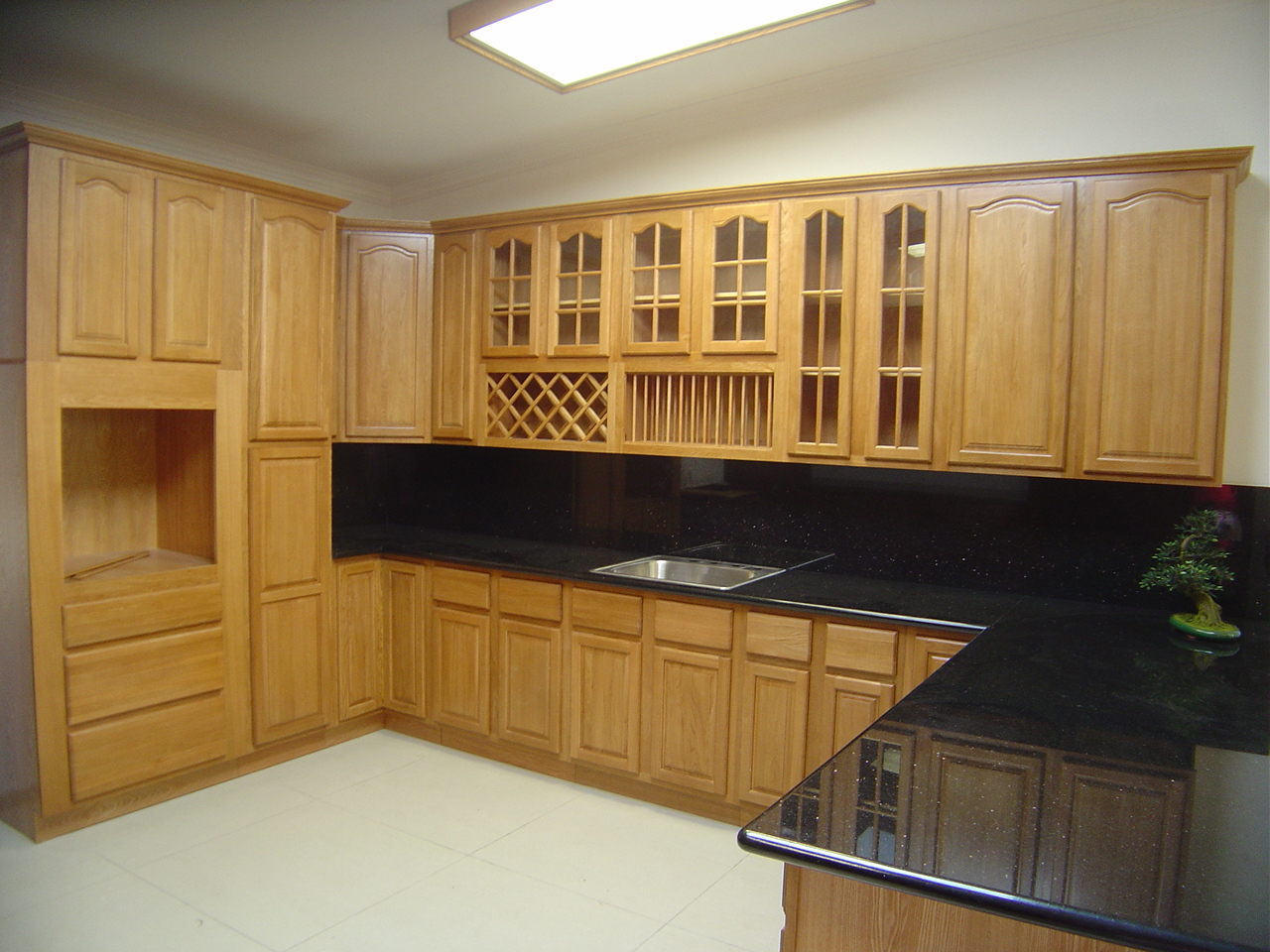
Unmatched Wood QualityPopularityFinished natural oak is a durable wood, and is the most popular wood species for kitchen cabinetry.Natural BeautyOak is a very strong, open-grained hardwood that ranges in color from salmon-pink to almost white. The wood is mostly straight-grained, with a coarse texture. Oak can have dramatic variations in color, knots and grain pattern. Our cabinets offer a rich look and feel, containing natural characteristics such as pin knots and flecks, and may contain streaks of green, gold and black mineral deposits.Wood FinishThe prominent flame-shaped grain pattern is beautifully enhanced when our finish color is applied. Our all wood cabinets are finished using an 11 step finishing process which results in unparalleled beauty. If you would like to see a sample before buying we offer free samples.Typical Oak Kitchen Price EstimatesOak is a common species of wood grown mostly in North America. Due to the abundance of supply, Oak is our most affordable line of cabinetry. An average 10 by 10 all wood kitchen costs roughly $2,000 to $3,000. Some people offer cheaper cabinets, but none of them are made of solid all wood construction.
Click here to receive your free no obligation estimate today.Cabinetry Shipping & AvailabilityIndustry wide shipping typically takes 1 to 2 months. Because we have our cabinetry in stock we typically deliver within 3 to 4 weeks.
We ship from San Francisco, California, and shipping costs vary by location. On average, shipping tends to cost about 10% to 15% of the cost of the cabinets.Construction QualityAll Wood DesignOur Oak cabinets are constructed of solid wood doors and finished plywood drawer boxes. The drawer boxes are screwed rabbit joints.
You do not have to worry about our cabinets falling apart or rotting out, they will last for generations to come.We do not use low quality cheap materials such as particle board or MDF.Durable HardwareOur doors are connected using concealed European hinges. We use industry standard epoxy coated all metal drawer slides.Easy to AssembleOur cabinets are shipped ready to assemble. RTA cabinets take about 5 minutes each for a novice to assemble. We ship them unassembled to protect them from shipping damage and help keep shipping costs affordable.lassic Cabinet DesignOur stylish oak cabinets are available in a raised panel honey cathedral design with a natural finish. This is an old fashion design that does not go out of style.Raised Panel Cathedral - Natural Finish
Click here to receive your free no obligation estimate today.Questions? Need to Contact Us?We are based in NINGBO and ship items across the United States. Should you have any questions, please use this form or call us TOLL FREE at 0574-87800037 ,TOLL FREE Fax at 0574-87800041.email: cnkitchenware@gmail.com
Click here to receive your free no obligation estimate today.Cabinetry Shipping & AvailabilityIndustry wide shipping typically takes 1 to 2 months. Because we have our cabinetry in stock we typically deliver within 3 to 4 weeks.
We ship from San Francisco, California, and shipping costs vary by location. On average, shipping tends to cost about 10% to 15% of the cost of the cabinets.Construction QualityAll Wood DesignOur Oak cabinets are constructed of solid wood doors and finished plywood drawer boxes. The drawer boxes are screwed rabbit joints.
You do not have to worry about our cabinets falling apart or rotting out, they will last for generations to come.We do not use low quality cheap materials such as particle board or MDF.Durable HardwareOur doors are connected using concealed European hinges. We use industry standard epoxy coated all metal drawer slides.Easy to AssembleOur cabinets are shipped ready to assemble. RTA cabinets take about 5 minutes each for a novice to assemble. We ship them unassembled to protect them from shipping damage and help keep shipping costs affordable.lassic Cabinet DesignOur stylish oak cabinets are available in a raised panel honey cathedral design with a natural finish. This is an old fashion design that does not go out of style.Raised Panel Cathedral - Natural Finish
Click here to receive your free no obligation estimate today.Questions? Need to Contact Us?We are based in NINGBO and ship items across the United States. Should you have any questions, please use this form or call us TOLL FREE at 0574-87800037 ,TOLL FREE Fax at 0574-87800041.email: cnkitchenware@gmail.com
Timeless Maple Kitchen Cabinets
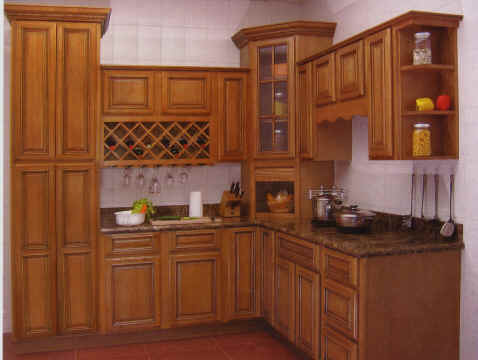
Square Raised Panel - Stained and Glazed
Maple is the one of the hardest and second most popular of all the cabinet woods. Natural characteristics of maple cabinetry include gray mineral streaks and variations in grain patterns and color. Maple is generally responsive to light and its overall color will change (usually towards a light yellow shade) over time, particularly when exposed to light. The surface appearance of maple is a combination of soft, flowing grains, intermingled with different “patterns” caused by varying density. Maple is close-grained and well suited for use with enamel finishes and brown tones, and takes a polish well. Below are pictures of maple kitchen cabinets that we offer.
Square Raised Panel - Natural Finish
Cathedral Raised Panel - Natural
Shaker Raised Panel - Natural
Roman Arch Raised Panel - Honey Finish
Click here to receive your free no obligation estimate today.
http://www.china-kitchen-cabinets.com/
Chair
A chair is a kind of furniture for sitting, consisting of a back, and sometimes arm rests, commonly for use by one person. Chairs also often have four legs to support the seat raised above the floor. Without back and arm rests it is called a stool. A chair for more than one person is a couch, sofa, settee, loveseat, recliner or bench. A separate footrest for a chair is known as an ottoman, hassock or pouffe. A chair mounted in a vehicle or in a theater is simply called a seat. Chairs as furniture typically can be moved.
The back often does not extend all the way to the seat to allow for ventilation. Likewise, the back and sometimes the seat are made of porous materials or have holes drilled in them for decoration and ventilation.
The back may extend above the height of the head. There may be separate headrests. Headrests for seats in vehicles are important for preventing whiplash injuries to the neck when the vehicle is involved in a rear-end collision.
History of the chair
Although the chair is extremely antiquity, it was an article of state and dignity rather than an article of ordinary use for many centuries and indeed for thousands of years. “The chair” is still extensively used as the emblem of authority in the House of Commons in the United Kingdom and Canada, and in public meetings. It was not, in fact, until the 16th century that it became common anywhere. The chest, the bench and the stool were until then the ordinary seats of everyday life, and the number of chairs which have survived from an earlier date is exceedingly limited; most of such examples are of ecclesiastical or seigneurial origin. Our knowledge of the chairs of remote antiquity is derived almost entirely from monuments, sculpture and paintings. A few actual examples exist in the British Museum, in the Egyptian Museum at Cairo, and elsewhere.In ancient Egypt chairs appear to have been of great richness and splendor[citation needed]. Fashioned of ebony and ivory, or of carved and gilded wood, they were covered with costly materials and supported upon representations of the legs of beasts or the figures of captives. The earliest known form of Greek chair, going back to five or six centuries BCE, had a back but stood straight up, front and back. During Tang dynasty (618 - 907 AD), a higher seat first started to appear amongst the Chinese elite and their usage soon spread to all levels of society. By the 12th century seating on the floor was rare in China, unlike in other Asian countries where the custom continued, and the chair, or more commonly the stool, was used in the vast majority of houses throughout the country.
In Europe, it was owing in great measure to the Renaissance that the chair ceased to be a privilege of state, and became a standard item of furniture whoever could afford to buy it. Once the idea of privilege faded the chair speedily came into general use. We find almost at once that the chair began to change every few years to reflect the fashions of the hour.
The 20th century saw an increasing use of technology in chair construction with such things as all-metal folding chairs, metal-legged chairs, the Slumber Chair, moulded plastic chairs and ergonomic chairs. The recliner became a popular form, at least in part due to radio and television, and later a two-part. The modern movement of the 1960s produced new forms of chairs: the butterfly chair, bean bags, and the egg-shaped pod chair. Technological advances led to molded plywood and wood laminate chairs, as well as chairs made of leather or polymers. Mechanical technology incorporated into the chair enabled adjustable chairs, especially for office use. Motors embedded in the chair resulted in massage chairs.
Recently an even older example of what was thought to be a chair was found in an archealogical dig in China. The chair appeared to have been made from bamboo with woven reeds used for the actual part of the chair people sit on and backrest. Along with the remains of the three or four chairs was believed to be a table, although this has yet to be confirmed due Chinese restrictions on foreign journalism and media.
Design and ergonomics
Chair design considers intended usage, ergonomics (how comfortable it is for the occupant), as well as non-ergonomic functional requirements such as size, stack ability, fold ability, weight, durability, stain resistance and artistic design. Intended usage determines the desired seating position. “Task chairs”, or any chair intended for people to work at a desk or table, including dining chairs, can only recline very slightly; otherwise the occupant is too far away from the desk or table. Dental chairs are necessarily reclined. Easy chairs for watching television or movies are somewhere in between depending on the height of the screen.Ergonomic designs distributes the weight of the occupant to various parts of the body. A seat that is higher results in dangling feet and increased pressure on the underside of the knees (”popliteal fold”). It may also result in no weight on the feet which means more weight elsewhere. A lower seat may shift too much weight to the “seat bones” (”ischial tuberosities”).
A reclining seat and back will shift weight to the occupant’s back. This may be more comfortable for some in reducing weight on the seat area, but may be problematic for others who have bad backs. In general, if the occupant is suppose to sit for a long time, weight needs to be taken off the seat area and thus “easy” chairs intended for long periods of sitting are generally at least slightly reclined. However, reclining may not be suitable for chairs intended for work or eating at table.
The back of the chair will support some of the weight of the occupant, reducing the weight on other parts of the body. In general, backrests come in three heights: Lower back backrests support only the lumbar region. Shoulder height backrests support the entire back and shoulders. Headrests support the head as well and are important in vehicles for preventing “whiplash” neck injuries in rear-end collisions where the head is jerked back suddenly. Reclining chairs typically have at least shoulder height backrests to shift weight to the shoulders instead of just the lower back.
Some chairs have foot rests. A stool or other simple chair may have a simple straight or curved bar near the bottom for the sitter to place his/her feet on.
A kneeling chair adds an additional body part, the knees, to support the weight of the body. A sit-stand chair distributes most of the weight of the occupant to the feet. Many chairs are padded or have cushions. Padding can be on the seat of the chair only, on the seat and back, or also on any arm rests and/or foot rest the chair may have. Padding will not shift the weight to different parts of the body (unless the chair is so soft that the shape is altered). However, padding does distribute the weight by increasing the area of contact between the chair and the body. A hard wood chair feels hard because the contact point between the occupant and the chair is small. The same body weight over a smaller area means greater pressure on that area. Spreading the area reduces the pressure at any given point. In lieu of padding, flexible materials, such as wicker, may be used instead with similar effects of distributing the weight. Since most of the body weight is supported in the back of the seat, padding there should be firmer than the front of the seat which only has the weight of the legs to support. Chairs that have padding that is the same density front and back will feel soft in the back area and hard to the underside of the knees.
There may be cases where padding is not desirable. For example, in chairs that are intended primarily for outdoor use. Where padding is not desirable, contouring may be used instead. A contoured seat pan attempts to distribute weight without padding. By matching the shape of the occupant’s buttocks, weight is distributed and maximum pressure is reduced.
Actual chair dimensions are determined by measurements of the human body or anthropometric measurements. The two most relevant anthropometric measurement for chair design is the popliteal height and buttock popliteal length.
For someone seated, the popliteal height is the distance from the underside of the foot to the underside of the thigh at the knees. It is sometimes called the “stool height”. (The term “sitting height” is reserved for the height to the top of the head when seated.) For American men, the median popliteal height is 16.3 inches and for American women it is 15.0 inches[1]. The popliteal height, after adjusting for heels, clothing and other issues is used to determine the height of the chair seat. Mass produced chairs are typically 17 inches high.
For someone seated, the buttock popliteal length is the horizontal distance from the back most part of the buttocks to the back of the lower leg. This anthropometric measurement is used to determine the seat depth. Mass produced chairs are typically 38-43 cm deep.
Additional anthropometric measurements may be relevant to designing a chair. Hip breadth is used for chair width and armrest width. Elbow rest height is used to determine the height of the armrests. The buttock-knee length is used to determine “leg room” between rows of chairs. “Seat pitch” is the distance between rows of seats. In some airplanes and stadiums the leg room (the seat pitch less the thickness of the seat at thigh level) is so small that it is sometimes insufficient for the average person.
For adjustable chairs, such as an office chair, the aforementioned principles are applied in adjusting the chair to the individual occupant.
Armrests
A chair may or may not have armrests; chairs with armrests are termed armchairs. In French, a distinction is made between chaise and fauteuil, the terms for chairs with and without armrests, respectively. If present, armrests will support part of the body weight through the arms if the arms are resting on the armrests. Armrests further have the function of making entry and exit from the chair easier (but from the side it becomes more difficult). Armrests should support the forearm and not the sensitive elbow area. Hence in some chair designs, the armrest is not continuous to the chair back, but is missing in the elbow area.A couch, bench, or other arrangement of seats next to each other may have arm rest at the sides and/or arm rests in between. The latter may be provided for comfort, but also for privacy e.g. in public transport and other public places, and to prevent lying on the bench. Arm rests reduce both desired and undesired proximity. A loveseat in particular, has no arm rest in between.
See also seats in movie theaters, and pictures of benches with and without arm rests.
Chair seats
Chair seats vary widely in construction and may or may not match construction of the chair’s back (backrest).Some systems include:
Solid center seats where a solid material forms the chair seat.
Solid wood, may or may not be shaped to human contours.
Wood slats, often seen on outdoor chairs
Padded leather, generally a flat wood base covered in padding and contained in soft leather
Stuffed fabric, similar to padded leather
Metal seats of solid or open design
Molded plastic
Stone, often marble
Open center seats where a soft material is attached to the tops of chair legs or between stretchers to form the seat.
Wicker, woven to provide a surface with give to it
Leather, may be tooled with a design
Fabric, simple covering without support
Tape, wide fabric tape woven into seat, seen in lawn chairs and some old chairs
Caning, woven from rush, reed, rawhide, heavy paper, strong grasses, cattails to form the seat, often in elaborate patterns
Splint, ash, oak or hickory strips are woven
Metal, Metal mesh or wire woven to form seat
Standards and specifications
Design considerations for chairs have been codified into standards. ISO 9241, “Ergonomic requirements for office work with visual display terminals (VDTs) — Part 5: Workstation layout and postural requirements” is the most common one for modern chair design.There are multiple specific standards for different types of chairs. Dental chairs are specified by ISO 6875. Bean bag chairs are specified by ANSI standard ASTM F1912-98[2]. ISO 7174 specifies stability of rocking and tilting chairs. ASTM F1858-98 specifies lawn chairs. ASTM E1822-02b defines the combustibility of chairs when they are stacked.
The Business and Institutional Furniture Manufacturer’s Association (BIFMA)[3] defines BIFMA X5.1 for testing of commercial-grade chairs. It specifies things like[4]:
chair back strength of 150 pounds (68 kg)
chair stability if weight is transferred completely to the front or back legs
leg strength of 75 pounds (34 kg) applied one inch (25 mm) from the bottom of the leg
seat strength of 225 pounds (102 kg) dropped from six inches (150 mm) above the seat
seat cycle strength of 100,000 repetitions of 125 pounds (57 kg) dropped from 2 inches (50 mm) above the seat
The specification further defines heavier “proof” loads that chairs must withstand. Under these higher loads, the chair may be damaged, but it must not fail catastrophically.
Large institutions that make bulk purchases will reference these standards within their own even more detailed criteria for purchase [5]. Governments will often issue standards for purchases by government agencies (e.g. Canada’s Canadian General Standards Board CAN/CGSB 44.15M [6] on “Straight Stacking Chair, Steel” or CAN/CGSB 44.232-2002 on “Task Chairs for Office Work with Visual Display Terminal” ).
Accessories
In place of a built-in footrest, some chairs come with a matching ottoman. An ottoman is a short stool to be used as a footrest but can sometimes be used as a stool. If matched to a glider, the ottoman may be mounted on swing arms so that the ottoman rocks back and forth with the main glider.A chair cover is a temporary fabric cover for a side chair. They are typically rented for formal events such as wedding receptions to increase the attractiveness of the chairs and decor. The chair covers may come with decorative chair ties, a ribbon to be tied as a bow behind the chair. Covers for sofas and couches are also available for homes with small children and pets. In the second half of 20th century, some people used custom clear plastic covers for expensive sofas and chairs to protect them.
Chair pads are cushions for chairs. Some are decorative. In cars, they may be used to increase the height of the driver. Orthopedic backrests provide support for the back. Some manufacturers have patents on their designs and are recognized by medical associations as beneficial[7][8][9]. Car seats sometimes have built-in and adjustable lumbar supports.
Chair mats are plastic mats meant to cover carpet. This allows chairs on wheels to roll easily over the carpet and it protects the carpet. They come in various shapes, some specifically sized to fit partially under a desk.
Remote control bags can be draped over the arm of easy chairs or sofas and used to hold remote controls. They are counter-weighted so as to not slide off the arms under the weight of the remote control.
The back often does not extend all the way to the seat to allow for ventilation. Likewise, the back and sometimes the seat are made of porous materials or have holes drilled in them for decoration and ventilation.
The back may extend above the height of the head. There may be separate headrests. Headrests for seats in vehicles are important for preventing whiplash injuries to the neck when the vehicle is involved in a rear-end collision.
History of the chair
Although the chair is extremely antiquity, it was an article of state and dignity rather than an article of ordinary use for many centuries and indeed for thousands of years. “The chair” is still extensively used as the emblem of authority in the House of Commons in the United Kingdom and Canada, and in public meetings. It was not, in fact, until the 16th century that it became common anywhere. The chest, the bench and the stool were until then the ordinary seats of everyday life, and the number of chairs which have survived from an earlier date is exceedingly limited; most of such examples are of ecclesiastical or seigneurial origin. Our knowledge of the chairs of remote antiquity is derived almost entirely from monuments, sculpture and paintings. A few actual examples exist in the British Museum, in the Egyptian Museum at Cairo, and elsewhere.In ancient Egypt chairs appear to have been of great richness and splendor[citation needed]. Fashioned of ebony and ivory, or of carved and gilded wood, they were covered with costly materials and supported upon representations of the legs of beasts or the figures of captives. The earliest known form of Greek chair, going back to five or six centuries BCE, had a back but stood straight up, front and back. During Tang dynasty (618 - 907 AD), a higher seat first started to appear amongst the Chinese elite and their usage soon spread to all levels of society. By the 12th century seating on the floor was rare in China, unlike in other Asian countries where the custom continued, and the chair, or more commonly the stool, was used in the vast majority of houses throughout the country.
In Europe, it was owing in great measure to the Renaissance that the chair ceased to be a privilege of state, and became a standard item of furniture whoever could afford to buy it. Once the idea of privilege faded the chair speedily came into general use. We find almost at once that the chair began to change every few years to reflect the fashions of the hour.
The 20th century saw an increasing use of technology in chair construction with such things as all-metal folding chairs, metal-legged chairs, the Slumber Chair, moulded plastic chairs and ergonomic chairs. The recliner became a popular form, at least in part due to radio and television, and later a two-part. The modern movement of the 1960s produced new forms of chairs: the butterfly chair, bean bags, and the egg-shaped pod chair. Technological advances led to molded plywood and wood laminate chairs, as well as chairs made of leather or polymers. Mechanical technology incorporated into the chair enabled adjustable chairs, especially for office use. Motors embedded in the chair resulted in massage chairs.
Recently an even older example of what was thought to be a chair was found in an archealogical dig in China. The chair appeared to have been made from bamboo with woven reeds used for the actual part of the chair people sit on and backrest. Along with the remains of the three or four chairs was believed to be a table, although this has yet to be confirmed due Chinese restrictions on foreign journalism and media.
Design and ergonomics
Chair design considers intended usage, ergonomics (how comfortable it is for the occupant), as well as non-ergonomic functional requirements such as size, stack ability, fold ability, weight, durability, stain resistance and artistic design. Intended usage determines the desired seating position. “Task chairs”, or any chair intended for people to work at a desk or table, including dining chairs, can only recline very slightly; otherwise the occupant is too far away from the desk or table. Dental chairs are necessarily reclined. Easy chairs for watching television or movies are somewhere in between depending on the height of the screen.Ergonomic designs distributes the weight of the occupant to various parts of the body. A seat that is higher results in dangling feet and increased pressure on the underside of the knees (”popliteal fold”). It may also result in no weight on the feet which means more weight elsewhere. A lower seat may shift too much weight to the “seat bones” (”ischial tuberosities”).
A reclining seat and back will shift weight to the occupant’s back. This may be more comfortable for some in reducing weight on the seat area, but may be problematic for others who have bad backs. In general, if the occupant is suppose to sit for a long time, weight needs to be taken off the seat area and thus “easy” chairs intended for long periods of sitting are generally at least slightly reclined. However, reclining may not be suitable for chairs intended for work or eating at table.
The back of the chair will support some of the weight of the occupant, reducing the weight on other parts of the body. In general, backrests come in three heights: Lower back backrests support only the lumbar region. Shoulder height backrests support the entire back and shoulders. Headrests support the head as well and are important in vehicles for preventing “whiplash” neck injuries in rear-end collisions where the head is jerked back suddenly. Reclining chairs typically have at least shoulder height backrests to shift weight to the shoulders instead of just the lower back.
Some chairs have foot rests. A stool or other simple chair may have a simple straight or curved bar near the bottom for the sitter to place his/her feet on.
A kneeling chair adds an additional body part, the knees, to support the weight of the body. A sit-stand chair distributes most of the weight of the occupant to the feet. Many chairs are padded or have cushions. Padding can be on the seat of the chair only, on the seat and back, or also on any arm rests and/or foot rest the chair may have. Padding will not shift the weight to different parts of the body (unless the chair is so soft that the shape is altered). However, padding does distribute the weight by increasing the area of contact between the chair and the body. A hard wood chair feels hard because the contact point between the occupant and the chair is small. The same body weight over a smaller area means greater pressure on that area. Spreading the area reduces the pressure at any given point. In lieu of padding, flexible materials, such as wicker, may be used instead with similar effects of distributing the weight. Since most of the body weight is supported in the back of the seat, padding there should be firmer than the front of the seat which only has the weight of the legs to support. Chairs that have padding that is the same density front and back will feel soft in the back area and hard to the underside of the knees.
There may be cases where padding is not desirable. For example, in chairs that are intended primarily for outdoor use. Where padding is not desirable, contouring may be used instead. A contoured seat pan attempts to distribute weight without padding. By matching the shape of the occupant’s buttocks, weight is distributed and maximum pressure is reduced.
Actual chair dimensions are determined by measurements of the human body or anthropometric measurements. The two most relevant anthropometric measurement for chair design is the popliteal height and buttock popliteal length.
For someone seated, the popliteal height is the distance from the underside of the foot to the underside of the thigh at the knees. It is sometimes called the “stool height”. (The term “sitting height” is reserved for the height to the top of the head when seated.) For American men, the median popliteal height is 16.3 inches and for American women it is 15.0 inches[1]. The popliteal height, after adjusting for heels, clothing and other issues is used to determine the height of the chair seat. Mass produced chairs are typically 17 inches high.
For someone seated, the buttock popliteal length is the horizontal distance from the back most part of the buttocks to the back of the lower leg. This anthropometric measurement is used to determine the seat depth. Mass produced chairs are typically 38-43 cm deep.
Additional anthropometric measurements may be relevant to designing a chair. Hip breadth is used for chair width and armrest width. Elbow rest height is used to determine the height of the armrests. The buttock-knee length is used to determine “leg room” between rows of chairs. “Seat pitch” is the distance between rows of seats. In some airplanes and stadiums the leg room (the seat pitch less the thickness of the seat at thigh level) is so small that it is sometimes insufficient for the average person.
For adjustable chairs, such as an office chair, the aforementioned principles are applied in adjusting the chair to the individual occupant.
Armrests
A chair may or may not have armrests; chairs with armrests are termed armchairs. In French, a distinction is made between chaise and fauteuil, the terms for chairs with and without armrests, respectively. If present, armrests will support part of the body weight through the arms if the arms are resting on the armrests. Armrests further have the function of making entry and exit from the chair easier (but from the side it becomes more difficult). Armrests should support the forearm and not the sensitive elbow area. Hence in some chair designs, the armrest is not continuous to the chair back, but is missing in the elbow area.A couch, bench, or other arrangement of seats next to each other may have arm rest at the sides and/or arm rests in between. The latter may be provided for comfort, but also for privacy e.g. in public transport and other public places, and to prevent lying on the bench. Arm rests reduce both desired and undesired proximity. A loveseat in particular, has no arm rest in between.
See also seats in movie theaters, and pictures of benches with and without arm rests.
Chair seats
Chair seats vary widely in construction and may or may not match construction of the chair’s back (backrest).Some systems include:
Solid center seats where a solid material forms the chair seat.
Solid wood, may or may not be shaped to human contours.
Wood slats, often seen on outdoor chairs
Padded leather, generally a flat wood base covered in padding and contained in soft leather
Stuffed fabric, similar to padded leather
Metal seats of solid or open design
Molded plastic
Stone, often marble
Open center seats where a soft material is attached to the tops of chair legs or between stretchers to form the seat.
Wicker, woven to provide a surface with give to it
Leather, may be tooled with a design
Fabric, simple covering without support
Tape, wide fabric tape woven into seat, seen in lawn chairs and some old chairs
Caning, woven from rush, reed, rawhide, heavy paper, strong grasses, cattails to form the seat, often in elaborate patterns
Splint, ash, oak or hickory strips are woven
Metal, Metal mesh or wire woven to form seat
Standards and specifications
Design considerations for chairs have been codified into standards. ISO 9241, “Ergonomic requirements for office work with visual display terminals (VDTs) — Part 5: Workstation layout and postural requirements” is the most common one for modern chair design.There are multiple specific standards for different types of chairs. Dental chairs are specified by ISO 6875. Bean bag chairs are specified by ANSI standard ASTM F1912-98[2]. ISO 7174 specifies stability of rocking and tilting chairs. ASTM F1858-98 specifies lawn chairs. ASTM E1822-02b defines the combustibility of chairs when they are stacked.
The Business and Institutional Furniture Manufacturer’s Association (BIFMA)[3] defines BIFMA X5.1 for testing of commercial-grade chairs. It specifies things like[4]:
chair back strength of 150 pounds (68 kg)
chair stability if weight is transferred completely to the front or back legs
leg strength of 75 pounds (34 kg) applied one inch (25 mm) from the bottom of the leg
seat strength of 225 pounds (102 kg) dropped from six inches (150 mm) above the seat
seat cycle strength of 100,000 repetitions of 125 pounds (57 kg) dropped from 2 inches (50 mm) above the seat
The specification further defines heavier “proof” loads that chairs must withstand. Under these higher loads, the chair may be damaged, but it must not fail catastrophically.
Large institutions that make bulk purchases will reference these standards within their own even more detailed criteria for purchase [5]. Governments will often issue standards for purchases by government agencies (e.g. Canada’s Canadian General Standards Board CAN/CGSB 44.15M [6] on “Straight Stacking Chair, Steel” or CAN/CGSB 44.232-2002 on “Task Chairs for Office Work with Visual Display Terminal” ).
Accessories
In place of a built-in footrest, some chairs come with a matching ottoman. An ottoman is a short stool to be used as a footrest but can sometimes be used as a stool. If matched to a glider, the ottoman may be mounted on swing arms so that the ottoman rocks back and forth with the main glider.A chair cover is a temporary fabric cover for a side chair. They are typically rented for formal events such as wedding receptions to increase the attractiveness of the chairs and decor. The chair covers may come with decorative chair ties, a ribbon to be tied as a bow behind the chair. Covers for sofas and couches are also available for homes with small children and pets. In the second half of 20th century, some people used custom clear plastic covers for expensive sofas and chairs to protect them.
Chair pads are cushions for chairs. Some are decorative. In cars, they may be used to increase the height of the driver. Orthopedic backrests provide support for the back. Some manufacturers have patents on their designs and are recognized by medical associations as beneficial[7][8][9]. Car seats sometimes have built-in and adjustable lumbar supports.
Chair mats are plastic mats meant to cover carpet. This allows chairs on wheels to roll easily over the carpet and it protects the carpet. They come in various shapes, some specifically sized to fit partially under a desk.
Remote control bags can be draped over the arm of easy chairs or sofas and used to hold remote controls. They are counter-weighted so as to not slide off the arms under the weight of the remote control.
Ergonomic Chair
What is an “ergonomic” chair?Why is finding the right chair so important?What do you need to know about selecting a good “ergonomic” chair?What are the features of a “good” chair?Who should pick out the chair?Can a chair solve all of the ergonomic problems of working in a sitting position?
What is an “ergonomic” chair? Finding the right ergonomic chair is a common problem especially for people who want to purchase new equipment to make workstations safer and healthier places. There are many “ergonomic” chairs available but it can be a mistake to purchase one simply because it is labelled “ergonomic”.Ergonomic chairs are designed to suit a range of people; however, there is no guarantee that they will suit any one person in particular. For example, a chair could be too high and the arm rests too far apart for a short, slim person. In addition, chairs may not suit every task or arrangement at the workstation. A chair becomes ergonomic only when it specifically suits a worker’s size (body dimensions), his or her particular workstation, and the tasks that must be performed there. It is possible to find the right chair although it is not always easy.
Ergonomic Chair
Why is finding the right chair so important? Today, in industrialized countries, many people sit for most of the time that they are awake. They sit while having breakfast, while going to work in cars or buses, in school classrooms, in meetings, in offices, during dinner, and at home while watching television. Many people also sit at work operating machines which new technology has developed to replace manual work. Although sitting requires less physical effort than standing or walking it puts a lot of stress on lumbar area. Combined effects of a sedentary lifestyle and a job that requires sitting can lead to many health problems.
What do you need to know about selecting a good “ergonomic” chair? The selection of a suitable chair is a critical step in preventing health problems in people who work in a sitting position. With the ergonomics approach, sitting is viewed as a specific, specialized activity which is influenced by the way that a sitting person interacts with the working environment.
Several basic concepts should be considered:
One chair does not fit everyone. The users’ body dimensions must be used when selecting a chair so that it does not strain one part of the body while fitting another.
Collect data about the user’s body height. The optimal seat height is about one quarter of the body height. This is only a rule of thumb since the torso-to-leg ratio can vary widely..
No one chair is suitable for every activity. For example, dentists require a different chair than do industrial workers or computer operators
Consider maintenance and repair costs. Check with the manufacturer for items to inspect for and how often inspection should be done.What are the features of a “good” chair? Some features are mandatory for a good chair regardless of how you intend to use it:
Adjustability - Check to see that seat height is adjustable.
Seat height range - Check whether the seat height can be adjusted to the height recommended for the worker(s) who will use it. Other chairs may have to be selected for very short or tall workers.
Backrest - Check to see that the backrest is adjustable both vertically and in the frontward and backward direction.
Seat depth - Select the seats that suit the tallest and the shortest users
Stability - Check for the stability of the chair; a five-point base is recommended.
Other features to consider
See if the selected chair has features that will help someone do their job better. Arm rests with adjustable heights are good for computer operators. Wider or narrower arm rests may also be required depending on the worker’s dimensions and tasks they do.
See if the selected chair has features that will make doing a job more difficult. An example may be that someone may be using a chair with casters or wheels when a stable and stationary work position would be better. If chairs with casters are needed, choose ones that match the type of flooring you have (carpeting or hard floors).
Who should pick out the chair? Personal preference is essential to the process of selecting a chair.
After some suitable chairs have been identified, allow the person who will use the chair most to try out the chair in a real work situation. It is especially useful to obtain several sample chairs for a trial comparison by those who will be using them.
Make sure that the chair meets the needs of the workers and their jobs before any final selection is made.
Can a chair solve all of the ergonomic problems of working in a sitting position? A well-designed chair allows the user to sit in a balanced position. Buying an ergonomic chair is a good beginning but it may not bring the benefits expected. The actual sitting position depends on an individual’s personal habits; he or she has to learn and practice how to sit properly.
Also, remember that the chair is only one of the components to be considered in workstation design. All the elements such as the chair, footrest (if needed), work surface, document holders, task lighting and so on need to have flexibility and adjustability to be “designed in.”
What is an “ergonomic” chair? Finding the right ergonomic chair is a common problem especially for people who want to purchase new equipment to make workstations safer and healthier places. There are many “ergonomic” chairs available but it can be a mistake to purchase one simply because it is labelled “ergonomic”.Ergonomic chairs are designed to suit a range of people; however, there is no guarantee that they will suit any one person in particular. For example, a chair could be too high and the arm rests too far apart for a short, slim person. In addition, chairs may not suit every task or arrangement at the workstation. A chair becomes ergonomic only when it specifically suits a worker’s size (body dimensions), his or her particular workstation, and the tasks that must be performed there. It is possible to find the right chair although it is not always easy.
Ergonomic Chair
Why is finding the right chair so important? Today, in industrialized countries, many people sit for most of the time that they are awake. They sit while having breakfast, while going to work in cars or buses, in school classrooms, in meetings, in offices, during dinner, and at home while watching television. Many people also sit at work operating machines which new technology has developed to replace manual work. Although sitting requires less physical effort than standing or walking it puts a lot of stress on lumbar area. Combined effects of a sedentary lifestyle and a job that requires sitting can lead to many health problems.
What do you need to know about selecting a good “ergonomic” chair? The selection of a suitable chair is a critical step in preventing health problems in people who work in a sitting position. With the ergonomics approach, sitting is viewed as a specific, specialized activity which is influenced by the way that a sitting person interacts with the working environment.
Several basic concepts should be considered:
One chair does not fit everyone. The users’ body dimensions must be used when selecting a chair so that it does not strain one part of the body while fitting another.
Collect data about the user’s body height. The optimal seat height is about one quarter of the body height. This is only a rule of thumb since the torso-to-leg ratio can vary widely..
No one chair is suitable for every activity. For example, dentists require a different chair than do industrial workers or computer operators
Consider maintenance and repair costs. Check with the manufacturer for items to inspect for and how often inspection should be done.What are the features of a “good” chair? Some features are mandatory for a good chair regardless of how you intend to use it:
Adjustability - Check to see that seat height is adjustable.
Seat height range - Check whether the seat height can be adjusted to the height recommended for the worker(s) who will use it. Other chairs may have to be selected for very short or tall workers.
Backrest - Check to see that the backrest is adjustable both vertically and in the frontward and backward direction.
Seat depth - Select the seats that suit the tallest and the shortest users
Stability - Check for the stability of the chair; a five-point base is recommended.
Other features to consider
See if the selected chair has features that will help someone do their job better. Arm rests with adjustable heights are good for computer operators. Wider or narrower arm rests may also be required depending on the worker’s dimensions and tasks they do.
See if the selected chair has features that will make doing a job more difficult. An example may be that someone may be using a chair with casters or wheels when a stable and stationary work position would be better. If chairs with casters are needed, choose ones that match the type of flooring you have (carpeting or hard floors).
Who should pick out the chair? Personal preference is essential to the process of selecting a chair.
After some suitable chairs have been identified, allow the person who will use the chair most to try out the chair in a real work situation. It is especially useful to obtain several sample chairs for a trial comparison by those who will be using them.
Make sure that the chair meets the needs of the workers and their jobs before any final selection is made.
Can a chair solve all of the ergonomic problems of working in a sitting position? A well-designed chair allows the user to sit in a balanced position. Buying an ergonomic chair is a good beginning but it may not bring the benefits expected. The actual sitting position depends on an individual’s personal habits; he or she has to learn and practice how to sit properly.
Also, remember that the chair is only one of the components to be considered in workstation design. All the elements such as the chair, footrest (if needed), work surface, document holders, task lighting and so on need to have flexibility and adjustability to be “designed in.”
How to Adjust Office Chairs
What is the most important part about having a good workstation?What should I consider when selecting a chair?What is so controversial about armrests?How do I adjust a chair for my height?What adjustments should I make if the workstation (desk) is at a fixed height?
What is the most important part about having a good workstation?The office workstation should let the worker sit and carry out their duties in comfort while allowing for voluntary changes in the working position. There are three contact areas in the work space that affect the worker’s posture: the seat, the work surface (commonly it is a desk top or keyboard) and the floor. To ensure the most comfortable posture possible, two of these factors have to be adjustable.
If you can afford to do nothing else, a fully adjustable chair is the undisputable “must”. The other, and perhaps the most preferable option, would be a fully adjustable desk. However the price of such a desk may not make this option practical. Another effective (and cheaper) option is to use an adjustable chair and footrest to secure postural comfort.
What should I consider when selecting a chair?A basic rule of ergonomics is that there is no such thing as an “average” person. However, providing a chair specifically designed for each individual is not practical. The only solution is to provide workers with fully adjustable chairs that can accommodate a maximum range of people (typically around 90 percent of the population; workers falling in the ranges of 5% of the shortest and the tallest will need custom-made chairs).
Choose a chair with:
controls that are easy to operate from sitting position
a seat that adjusts for both height and tilt
a seat that does not put pressure the back of thighs or knees
a seat with a front edge that curves towards the floor
breathable, non-slippery fabric on the seat
a backrest shaped to support the lower back
a stable five-point base
wheels or casters suitable for the type of flooring
a swivel mechanism
armrests that can be adjusted to the elbow height when your upper arms are hanging down and your forearms are at about a 90 degree angle to the upper arms
armrests that do not interfere with free movements within the workstation
You may also wish to check the OSH Answers document The “Ergonomic” Chair for more details on how to purchase a chair.
What is so controversial about armrests?Armrests are traditionally not recommended because they can prevent the users from getting close to the desk. However, now there are armrests that extend 25 cm (10 inches), or less, from the back of seat. People using chairs fitted with these shorter armrests can move their chairs closer to their workstations. The armrests gives them a place to rest their arms which, in turn, takes some of the load off their shoulders and neck.
How do I adjust a chair for my height?
Stand in front of the chair. Adjust the height so the highest point of the seat, (when in the horizontal position), is just below the knee cap.
Sit on the chair and keep your feet flat on the floor.
Check that the clearance between the front edge of the seat and the lower part of the legs (your calves) fits a clenched fist (about 2 inches).
Adjust the back rest forwards and backwards as well as up and down so that it fits the hollow in your lower back.
Sit upright with your arms hanging loosely by your sides. Bend your elbows at about a right angle (90 degrees) and adjust the armrest(s) height until they barely touch the undersides of the elbows.
Remove the armrests from the chair if this level can not be achieved or if armrests, in their lowest adjustment, elevate your elbows even slightly.
Tilt the seat itself forwards or backwards if you prefer.
Different office tasks require different equipment, accessories and layouts.
Nonetheless, the chair and its adjustment remain constant for the majority of setups in a typical office environment.
What adjustments should I make if the workstation (desk) is at a fixed height?Once your chair is properly adjusted for your height, check if you can sit at the workstation comfortably with your legs crossed underneath.
If you cannot fit your legs under the workstation or there is not enough space to move them freely, your workstation is too low for you and you should not use such a workstation on a regular basis!
If you can sit comfortably but need to elevate your arms in order to place them over the work surface, your workstation is too high. Adjust the chair height so your elbows are about the same height as the work surface. Use a footrest if you cannot place your feet flat on the floor.
The footrest should be adjustable and support both feet. Keep feet flat and firm on the footrest.
What is the most important part about having a good workstation?The office workstation should let the worker sit and carry out their duties in comfort while allowing for voluntary changes in the working position. There are three contact areas in the work space that affect the worker’s posture: the seat, the work surface (commonly it is a desk top or keyboard) and the floor. To ensure the most comfortable posture possible, two of these factors have to be adjustable.
If you can afford to do nothing else, a fully adjustable chair is the undisputable “must”. The other, and perhaps the most preferable option, would be a fully adjustable desk. However the price of such a desk may not make this option practical. Another effective (and cheaper) option is to use an adjustable chair and footrest to secure postural comfort.
What should I consider when selecting a chair?A basic rule of ergonomics is that there is no such thing as an “average” person. However, providing a chair specifically designed for each individual is not practical. The only solution is to provide workers with fully adjustable chairs that can accommodate a maximum range of people (typically around 90 percent of the population; workers falling in the ranges of 5% of the shortest and the tallest will need custom-made chairs).
Choose a chair with:
controls that are easy to operate from sitting position
a seat that adjusts for both height and tilt
a seat that does not put pressure the back of thighs or knees
a seat with a front edge that curves towards the floor
breathable, non-slippery fabric on the seat
a backrest shaped to support the lower back
a stable five-point base
wheels or casters suitable for the type of flooring
a swivel mechanism
armrests that can be adjusted to the elbow height when your upper arms are hanging down and your forearms are at about a 90 degree angle to the upper arms
armrests that do not interfere with free movements within the workstation
You may also wish to check the OSH Answers document The “Ergonomic” Chair for more details on how to purchase a chair.
What is so controversial about armrests?Armrests are traditionally not recommended because they can prevent the users from getting close to the desk. However, now there are armrests that extend 25 cm (10 inches), or less, from the back of seat. People using chairs fitted with these shorter armrests can move their chairs closer to their workstations. The armrests gives them a place to rest their arms which, in turn, takes some of the load off their shoulders and neck.
How do I adjust a chair for my height?
Stand in front of the chair. Adjust the height so the highest point of the seat, (when in the horizontal position), is just below the knee cap.
Sit on the chair and keep your feet flat on the floor.
Check that the clearance between the front edge of the seat and the lower part of the legs (your calves) fits a clenched fist (about 2 inches).
Adjust the back rest forwards and backwards as well as up and down so that it fits the hollow in your lower back.
Sit upright with your arms hanging loosely by your sides. Bend your elbows at about a right angle (90 degrees) and adjust the armrest(s) height until they barely touch the undersides of the elbows.
Remove the armrests from the chair if this level can not be achieved or if armrests, in their lowest adjustment, elevate your elbows even slightly.
Tilt the seat itself forwards or backwards if you prefer.
Different office tasks require different equipment, accessories and layouts.
Nonetheless, the chair and its adjustment remain constant for the majority of setups in a typical office environment.
What adjustments should I make if the workstation (desk) is at a fixed height?Once your chair is properly adjusted for your height, check if you can sit at the workstation comfortably with your legs crossed underneath.
If you cannot fit your legs under the workstation or there is not enough space to move them freely, your workstation is too low for you and you should not use such a workstation on a regular basis!
If you can sit comfortably but need to elevate your arms in order to place them over the work surface, your workstation is too high. Adjust the chair height so your elbows are about the same height as the work surface. Use a footrest if you cannot place your feet flat on the floor.
The footrest should be adjustable and support both feet. Keep feet flat and firm on the footrest.
Forward Sloping Chair
What is new in the ergonomics of sitting at an office workstation and office chair design?What are benefits of a sloping seat?What are disadvantages of a sloping chair?What is the possible future of seated jobs?
What is new in the ergonomics of sitting at an office workstation and office chair design? People sit rather than stand for obvious reasons of comfort; only lying down is more comfortable, but hardly practical for working.The problem arises when we sit for too long at a desk or any workstation for hours and hours, day after day, year after year. The office is one environment where sitting typically takes the highest toll. The most common adverse effects of such prolonged sitting are discussed in the OSH Answers document “Working in a Sitting Position - Overview“.
Despite much research and study over the last few decades, health effects associated with working in a sitting position persist. The number of people suffering postural problems and back pain through excessive sitting is not decreasing. Even the concept of an “ergonomic chair” that was developed in the mid 80s, and widely adopted since then, has not contributed to any dramatic improvement in such health problems reported by seated workers.
Some experts believe it is time to re-think the entire concept of “proper” sitting and good chair design, but such notions are not entirely new. They go back to the concept of sitting described by A.C. Mandal in The Seated Man: Homo Sedens (Dansk Tidsskriftryk Copenhagen; 3rd edition, 1985).
Mandal’s core belief is that maintaining the lumbar curve found in the small of the back is absolutely essential to a healthy pain-free back. The majority of guidelines, including our own OSH Answers document (Working in a Sitting Position - Good Body Position, and How to Adjust Office Chairs) however, suggest sitting upright with an angle of approximately 90 degrees between the torso and thighs which actually flattens the lumbar curve. A flattened lumbar curve increases both the mechanical load on your lumbar spine as well as back muscle activity. As a consequence, sitting upright with the thighs horizontal (i.e., parallel to the floor), may lead in the long run to chronic low back pain (LBP).
It was also found that while you lower your body to sit down, the lumbar curve stays unchanged until the last 20 degrees before your thighs become horizontal.
In conclusion, without going further into a detailed biomechanical analysis of how the curvature of the spine works, people who need to sit at work could try using a chair with a forward-sloping seat pan as an option (especially if they are experiencing pain with a horizontal (flat) seat pan / 90 degree angle between the thighs and back). Such a chair should allow you to maintain the angle between your torso and thighs at about 105 degrees while keeping your feet flat on the floor or supporting them on a footrest if it is more suitable - see Figure 1.
Figure 1
What are benefits of a sloping seat? It decreases the load on your lower back and minimizes the risk for lower back pain (LBP).
Sitting with your thighs in a downward slope increases the activity of your lower leg muscles. As a result return blood flow from the lower legs is improved, and there is less pooling of the blood and pain in the lower legs by the end of the workday. Consequently, in the long run, it can reduce the likelihood of your contracting varicose veins.
Much more than a horizontal seat pan, a sloping seat pan not only makes rising from the chair easier, but also allows your leg muscles to recover sooner because any postural changes and shifts are also easier.
Once you make the transition from a conventional horizontal seat to one that tilts forward, the next step is to consider using a slanted desk surface, which would reduce bending in the neck and upper torso, thus improving your postural comfort.
Yet, of all advantages of the forward sloping chair, it is most beneficial to have more freedom (choices, options) of body positions (or work postures). Frequent changes makes sitting more dynamic rather than static (maintaining fix position) and easiness arising (standing instead of sitting) allows loaded muscles recover faster and postponing fatigue and discomfort.
What are disadvantages of a sloping chair? The major disadvantage reported is the feeling that you have to constantly counteract gravity to avoid sliding off the chair.
The seat pan of such a chair has to be curved from front to back to allow sitting on chair without sliding. Nevertheless, you do have do exert some muscular effort in your lower legs to remain seated. This effort is in fact beneficial (providing the slope is not greater than 15 degrees) because it improves the return blood flow from your lower legs.
The other disadvantage frequently quoted, of having your clothing ride up your legs can be overcome if the chair is properly designed with a non-slip covering.
What is the possible future of seated jobs? Over the last few decades we see more and more sedentary jobs where workers are seated throughout much of their working day. The traditional design of office furniture and poor job design often result in lower back pain. While a forward-slopping chair seat may not be the ultimate remedy, it is one viable option that may be beneficial (and a new chair is much less expensive than the cost and suffering a person experiences with low back pain).
What is new in the ergonomics of sitting at an office workstation and office chair design? People sit rather than stand for obvious reasons of comfort; only lying down is more comfortable, but hardly practical for working.The problem arises when we sit for too long at a desk or any workstation for hours and hours, day after day, year after year. The office is one environment where sitting typically takes the highest toll. The most common adverse effects of such prolonged sitting are discussed in the OSH Answers document “Working in a Sitting Position - Overview“.
Despite much research and study over the last few decades, health effects associated with working in a sitting position persist. The number of people suffering postural problems and back pain through excessive sitting is not decreasing. Even the concept of an “ergonomic chair” that was developed in the mid 80s, and widely adopted since then, has not contributed to any dramatic improvement in such health problems reported by seated workers.
Some experts believe it is time to re-think the entire concept of “proper” sitting and good chair design, but such notions are not entirely new. They go back to the concept of sitting described by A.C. Mandal in The Seated Man: Homo Sedens (Dansk Tidsskriftryk Copenhagen; 3rd edition, 1985).
Mandal’s core belief is that maintaining the lumbar curve found in the small of the back is absolutely essential to a healthy pain-free back. The majority of guidelines, including our own OSH Answers document (Working in a Sitting Position - Good Body Position, and How to Adjust Office Chairs) however, suggest sitting upright with an angle of approximately 90 degrees between the torso and thighs which actually flattens the lumbar curve. A flattened lumbar curve increases both the mechanical load on your lumbar spine as well as back muscle activity. As a consequence, sitting upright with the thighs horizontal (i.e., parallel to the floor), may lead in the long run to chronic low back pain (LBP).
It was also found that while you lower your body to sit down, the lumbar curve stays unchanged until the last 20 degrees before your thighs become horizontal.
In conclusion, without going further into a detailed biomechanical analysis of how the curvature of the spine works, people who need to sit at work could try using a chair with a forward-sloping seat pan as an option (especially if they are experiencing pain with a horizontal (flat) seat pan / 90 degree angle between the thighs and back). Such a chair should allow you to maintain the angle between your torso and thighs at about 105 degrees while keeping your feet flat on the floor or supporting them on a footrest if it is more suitable - see Figure 1.
Figure 1
What are benefits of a sloping seat? It decreases the load on your lower back and minimizes the risk for lower back pain (LBP).
Sitting with your thighs in a downward slope increases the activity of your lower leg muscles. As a result return blood flow from the lower legs is improved, and there is less pooling of the blood and pain in the lower legs by the end of the workday. Consequently, in the long run, it can reduce the likelihood of your contracting varicose veins.
Much more than a horizontal seat pan, a sloping seat pan not only makes rising from the chair easier, but also allows your leg muscles to recover sooner because any postural changes and shifts are also easier.
Once you make the transition from a conventional horizontal seat to one that tilts forward, the next step is to consider using a slanted desk surface, which would reduce bending in the neck and upper torso, thus improving your postural comfort.
Yet, of all advantages of the forward sloping chair, it is most beneficial to have more freedom (choices, options) of body positions (or work postures). Frequent changes makes sitting more dynamic rather than static (maintaining fix position) and easiness arising (standing instead of sitting) allows loaded muscles recover faster and postponing fatigue and discomfort.
What are disadvantages of a sloping chair? The major disadvantage reported is the feeling that you have to constantly counteract gravity to avoid sliding off the chair.
The seat pan of such a chair has to be curved from front to back to allow sitting on chair without sliding. Nevertheless, you do have do exert some muscular effort in your lower legs to remain seated. This effort is in fact beneficial (providing the slope is not greater than 15 degrees) because it improves the return blood flow from your lower legs.
The other disadvantage frequently quoted, of having your clothing ride up your legs can be overcome if the chair is properly designed with a non-slip covering.
What is the possible future of seated jobs? Over the last few decades we see more and more sedentary jobs where workers are seated throughout much of their working day. The traditional design of office furniture and poor job design often result in lower back pain. While a forward-slopping chair seat may not be the ultimate remedy, it is one viable option that may be beneficial (and a new chair is much less expensive than the cost and suffering a person experiences with low back pain).
Purchasing Ergonomic Office Furniture
Do you have to spend a lot of money?What should you know about the workers who will be using furniture?What should you know about the job where the furniture will be placed?Which factors of the work environment are important?What should you focus on when selecting office furniture?What should you know about maintaining chairs?What is your next step after selecting suitable products?Does CCOHS have other information that would be useful?
Do you have to spend a lot of money? Buying always involves spending and many people generally believe that you have to spend a lot of money when buying ergonomic office furniture. This belief is not necessarily true. With a little effort and preparation, you can make a wise investment that will pay back health dividends in the future. However, you cannot approach this project casually. The reason? Ergonomics is not a product but a process: a process of matching furniture (including tools, workstation, equipment, and environment) to the workers (and their work tasks) to reduce the hazards for injury and discomfort without undermining productivity. What should you know about the workers who will be using furniture? Knowing the prospective users is critical. Individual characteristics can make a significant difference. Always consider the following points:
Body size
Height
Gender
Right- or left-handedness
What should you know about the job where the furniture will be placed? Different office tasks require different equipment, different accessories and different layouts. Understanding the basics of the work carried out helps one to understand more clearly what the workers need in order to make their job better “ergonomically”. Consider the nature of the tasks to be done:
a lot of typing or very little
typing combined with other desk work (e.g., taking notes, using a phone, filing, etc.)
using a mouse or other input devices (e.g., graphics tablet, a stylus, voice input).
Which factors of the work environment are important? Many aspects of the work environment must be considered. You should take into account:
available space and office dimensions
layout or arrangement of existing furniture
light sources, specifically task lamps
type and size of computers to be used
table-mounted or floor-mounted CPUs
accessories such as standalone hard drives, CD-ROM drives, storage devices, copy- holders, mice, graphics tablets, CAD/CAM input devices, etc.
interaction with co-workers
What should you focus on when selecting office furniture? Having made the initial assessment, you may start looking for a suitable purchase. We suggest that you focus your attention on:
furniture with an adjustability range that can fit all prospective users. Some chairs have interchangeable cylinders to accommodate very tall or short people.
a fully adjustable chair with height-adjustable armrests.
an adjustable desk is preferable
a footrest is highly recommended if you decide on a non-adjustable desk
accessories, such as a copyholder, mouse, task lamps, etc. (discuss these with staff and get their feedback as personal preferences are very important).
What should you know about maintaining chairs? When buying chairs, consider any maintenance and repair costs. Some chair manufacturers will recommend an inspection and maintenance schedule. Normal wear problems may include:
bolts and screws loosening and falling out
hydraulic cylinders can fail to hold or seize, or
hair and lint in the casters (chair may not roll properly)
What is your next step after selecting suitable products? Do not assume that your job is done once you have found suitable products. Before you make a final decision, you should give your staff an opportunity to test them. Remember that people accept change with differing degrees of ease. Therefore, having the staff actively involved in the decision-making process is very important for the selection of furniture and equipment that is suited to them and their work tasks. Interactive training on how to use, adjust, and readjust new equipment is also crucial for the successful introduction of new equipment and furniture into the workplace.
Keep in mind that the supplier’s claim that his products are “ergonomically” correct is no guarantee of comfort. Arming yourself with valid information from reliable sources will help you make the right investment that will benefit an employer and employees equally. Consulting a specialist, specifically when you have little or no understanding of ergonomics can be a valuable investment in the entire purchasing process.
Do you have to spend a lot of money? Buying always involves spending and many people generally believe that you have to spend a lot of money when buying ergonomic office furniture. This belief is not necessarily true. With a little effort and preparation, you can make a wise investment that will pay back health dividends in the future. However, you cannot approach this project casually. The reason? Ergonomics is not a product but a process: a process of matching furniture (including tools, workstation, equipment, and environment) to the workers (and their work tasks) to reduce the hazards for injury and discomfort without undermining productivity. What should you know about the workers who will be using furniture? Knowing the prospective users is critical. Individual characteristics can make a significant difference. Always consider the following points:
Body size
Height
Gender
Right- or left-handedness
What should you know about the job where the furniture will be placed? Different office tasks require different equipment, different accessories and different layouts. Understanding the basics of the work carried out helps one to understand more clearly what the workers need in order to make their job better “ergonomically”. Consider the nature of the tasks to be done:
a lot of typing or very little
typing combined with other desk work (e.g., taking notes, using a phone, filing, etc.)
using a mouse or other input devices (e.g., graphics tablet, a stylus, voice input).
Which factors of the work environment are important? Many aspects of the work environment must be considered. You should take into account:
available space and office dimensions
layout or arrangement of existing furniture
light sources, specifically task lamps
type and size of computers to be used
table-mounted or floor-mounted CPUs
accessories such as standalone hard drives, CD-ROM drives, storage devices, copy- holders, mice, graphics tablets, CAD/CAM input devices, etc.
interaction with co-workers
What should you focus on when selecting office furniture? Having made the initial assessment, you may start looking for a suitable purchase. We suggest that you focus your attention on:
furniture with an adjustability range that can fit all prospective users. Some chairs have interchangeable cylinders to accommodate very tall or short people.
a fully adjustable chair with height-adjustable armrests.
an adjustable desk is preferable
a footrest is highly recommended if you decide on a non-adjustable desk
accessories, such as a copyholder, mouse, task lamps, etc. (discuss these with staff and get their feedback as personal preferences are very important).
What should you know about maintaining chairs? When buying chairs, consider any maintenance and repair costs. Some chair manufacturers will recommend an inspection and maintenance schedule. Normal wear problems may include:
bolts and screws loosening and falling out
hydraulic cylinders can fail to hold or seize, or
hair and lint in the casters (chair may not roll properly)
What is your next step after selecting suitable products? Do not assume that your job is done once you have found suitable products. Before you make a final decision, you should give your staff an opportunity to test them. Remember that people accept change with differing degrees of ease. Therefore, having the staff actively involved in the decision-making process is very important for the selection of furniture and equipment that is suited to them and their work tasks. Interactive training on how to use, adjust, and readjust new equipment is also crucial for the successful introduction of new equipment and furniture into the workplace.
Keep in mind that the supplier’s claim that his products are “ergonomically” correct is no guarantee of comfort. Arming yourself with valid information from reliable sources will help you make the right investment that will benefit an employer and employees equally. Consulting a specialist, specifically when you have little or no understanding of ergonomics can be a valuable investment in the entire purchasing process.
Chair
chair is a kind of furniture for sitting, consisting of a back, and sometimes arm rests, commonly for use by one person. Chairs also often have four legs to support the seat raised above the floor. Without back and arm rests it is called a stool. A chair for more than one person is a couch, sofa, settee, loveseat, recliner or bench. A separate footrest for a chair is known as an ottoman, hassock or pouffe. A chair mounted in a vehicle or in a theater is simply called a seat. Chairs as furniture typically can be moved.
The back often does not extend all the way to the seat to allow for ventilation. Likewise, the back and sometimes the seat are made of porous materials or have holes drilled in them for decoration and ventilation.
The back may extend above the height of the head. There may be separate headrests. Headrests for seats in vehicles are important for preventing whiplash injuries to the neck when the vehicle is involved in a rear-end collision.
History of the chair
Although the chair is extremely antiquity, it was an article of state and dignity rather than an article of ordinary use for many centuries and indeed for thousands of years. “The chair” is still extensively used as the emblem of authority in the House of Commons in the United Kingdom and Canada, and in public meetings. It was not, in fact, until the 16th century that it became common anywhere. The chest, the bench and the stool were until then the ordinary seats of everyday life, and the number of chairs which have survived from an earlier date is exceedingly limited; most of such examples are of ecclesiastical or seigneurial origin. Our knowledge of the chairs of remote antiquity is derived almost entirely from monuments, sculpture and paintings. A few actual examples exist in the British Museum, in the Egyptian Museum at Cairo, and elsewhere.In ancient Egypt chairs appear to have been of great richness and splendor[citation needed]. Fashioned of ebony and ivory, or of carved and gilded wood, they were covered with costly materials and supported upon representations of the legs of beasts or the figures of captives. The earliest known form of Greek chair, going back to five or six centuries BCE, had a back but stood straight up, front and back. During Tang dynasty (618 - 907 AD), a higher seat first started to appear amongst the Chinese elite and their usage soon spread to all levels of society. By the 12th century seating on the floor was rare in China, unlike in other Asian countries where the custom continued, and the chair, or more commonly the stool, was used in the vast majority of houses throughout the country.
In Europe, it was owing in great measure to the Renaissance that the chair ceased to be a privilege of state, and became a standard item of furniture whoever could afford to buy it. Once the idea of privilege faded the chair speedily came into general use. We find almost at once that the chair began to change every few years to reflect the fashions of the hour.
The 20th century saw an increasing use of technology in chair construction with such things as all-metal folding chairs, metal-legged chairs, the Slumber Chair, moulded plastic chairs and ergonomic chairs. The recliner became a popular form, at least in part due to radio and television, and later a two-part. The modern movement of the 1960s produced new forms of chairs: the butterfly chair, bean bags, and the egg-shaped pod chair. Technological advances led to molded plywood and wood laminate chairs, as well as chairs made of leather or polymers. Mechanical technology incorporated into the chair enabled adjustable chairs, especially for office use. Motors embedded in the chair resulted in massage chairs.
Recently an even older example of what was thought to be a chair was found in an archealogical dig in China. The chair appeared to have been made from bamboo with woven reeds used for the actual part of the chair people sit on and backrest. Along with the remains of the three or four chairs was believed to be a table, although this has yet to be confirmed due Chinese restrictions on foreign journalism and media.
Design and ergonomics
Chair design considers intended usage, ergonomics (how comfortable it is for the occupant), as well as non-ergonomic functional requirements such as size, stack ability, fold ability, weight, durability, stain resistance and artistic design. Intended usage determines the desired seating position. “Task chairs”, or any chair intended for people to work at a desk or table, including dining chairs, can only recline very slightly; otherwise the occupant is too far away from the desk or table. Dental chairs are necessarily reclined. Easy chairs for watching television or movies are somewhere in between depending on the height of the screen.Ergonomic designs distributes the weight of the occupant to various parts of the body. A seat that is higher results in dangling feet and increased pressure on the underside of the knees (”popliteal fold”). It may also result in no weight on the feet which means more weight elsewhere. A lower seat may shift too much weight to the “seat bones” (”ischial tuberosities”).
A reclining seat and back will shift weight to the occupant’s back. This may be more comfortable for some in reducing weight on the seat area, but may be problematic for others who have bad backs. In general, if the occupant is suppose to sit for a long time, weight needs to be taken off the seat area and thus “easy” chairs intended for long periods of sitting are generally at least slightly reclined. However, reclining may not be suitable for chairs intended for work or eating at table.
The back of the chair will support some of the weight of the occupant, reducing the weight on other parts of the body. In general, backrests come in three heights: Lower back backrests support only the lumbar region. Shoulder height backrests support the entire back and shoulders. Headrests support the head as well and are important in vehicles for preventing “whiplash” neck injuries in rear-end collisions where the head is jerked back suddenly. Reclining chairs typically have at least shoulder height backrests to shift weight to the shoulders instead of just the lower back.
Some chairs have foot rests. A stool or other simple chair may have a simple straight or curved bar near the bottom for the sitter to place his/her feet on.
A kneeling chair adds an additional body part, the knees, to support the weight of the body. A sit-stand chair distributes most of the weight of the occupant to the feet. Many chairs are padded or have cushions. Padding can be on the seat of the chair only, on the seat and back, or also on any arm rests and/or foot rest the chair may have. Padding will not shift the weight to different parts of the body (unless the chair is so soft that the shape is altered). However, padding does distribute the weight by increasing the area of contact between the chair and the body. A hard wood chair feels hard because the contact point between the occupant and the chair is small. The same body weight over a smaller area means greater pressure on that area. Spreading the area reduces the pressure at any given point. In lieu of padding, flexible materials, such as wicker, may be used instead with similar effects of distributing the weight. Since most of the body weight is supported in the back of the seat, padding there should be firmer than the front of the seat which only has the weight of the legs to support. Chairs that have padding that is the same density front and back will feel soft in the back area and hard to the underside of the knees.
There may be cases where padding is not desirable. For example, in chairs that are intended primarily for outdoor use. Where padding is not desirable, contouring may be used instead. A contoured seat pan attempts to distribute weight without padding. By matching the shape of the occupant’s buttocks, weight is distributed and maximum pressure is reduced.
Actual chair dimensions are determined by measurements of the human body or anthropometric measurements. The two most relevant anthropometric measurement for chair design is the popliteal height and buttock popliteal length.
For someone seated, the popliteal height is the distance from the underside of the foot to the underside of the thigh at the knees. It is sometimes called the “stool height”. (The term “sitting height” is reserved for the height to the top of the head when seated.) For American men, the median popliteal height is 16.3 inches and for American women it is 15.0 inches[1]. The popliteal height, after adjusting for heels, clothing and other issues is used to determine the height of the chair seat. Mass produced chairs are typically 17 inches high.
For someone seated, the buttock popliteal length is the horizontal distance from the back most part of the buttocks to the back of the lower leg. This anthropometric measurement is used to determine the seat depth. Mass produced chairs are typically 38-43 cm deep.
Additional anthropometric measurements may be relevant to designing a chair. Hip breadth is used for chair width and armrest width. Elbow rest height is used to determine the height of the armrests. The buttock-knee length is used to determine “leg room” between rows of chairs. “Seat pitch” is the distance between rows of seats. In some airplanes and stadiums the leg room (the seat pitch less the thickness of the seat at thigh level) is so small that it is sometimes insufficient for the average person.
For adjustable chairs, such as an office chair, the aforementioned principles are applied in adjusting the chair to the individual occupant.
Armrests
A chair may or may not have armrests; chairs with armrests are termed armchairs. In French, a distinction is made between chaise and fauteuil, the terms for chairs with and without armrests, respectively. If present, armrests will support part of the body weight through the arms if the arms are resting on the armrests. Armrests further have the function of making entry and exit from the chair easier (but from the side it becomes more difficult). Armrests should support the forearm and not the sensitive elbow area. Hence in some chair designs, the armrest is not continuous to the chair back, but is missing in the elbow area.A couch, bench, or other arrangement of seats next to each other may have arm rest at the sides and/or arm rests in between. The latter may be provided for comfort, but also for privacy e.g. in public transport and other public places, and to prevent lying on the bench. Arm rests reduce both desired and undesired proximity. A loveseat in particular, has no arm rest in between.
See also seats in movie theaters, and pictures of benches with and without arm rests.
Chair seats
Chair seats vary widely in construction and may or may not match construction of the chair’s back (backrest).Some systems include:
Solid center seats where a solid material forms the chair seat.
Solid wood, may or may not be shaped to human contours.
Wood slats, often seen on outdoor chairs
Padded leather, generally a flat wood base covered in padding and contained in soft leather
Stuffed fabric, similar to padded leather
Metal seats of solid or open design
Molded plastic
Stone, often marble
Open center seats where a soft material is attached to the tops of chair legs or between stretchers to form the seat.
Wicker, woven to provide a surface with give to it
Leather, may be tooled with a design
Fabric, simple covering without support
Tape, wide fabric tape woven into seat, seen in lawn chairs and some old chairs
Caning, woven from rush, reed, rawhide, heavy paper, strong grasses, cattails to form the seat, often in elaborate patterns
Splint, ash, oak or hickory strips are woven
Metal, Metal mesh or wire woven to form seat
Standards and specifications
Design considerations for chairs have been codified into standards. ISO 9241, “Ergonomic requirements for office work with visual display terminals (VDTs) — Part 5: Workstation layout and postural requirements” is the most common one for modern chair design.There are multiple specific standards for different types of chairs. Dental chairs are specified by ISO 6875. Bean bag chairs are specified by ANSI standard ASTM F1912-98[2]. ISO 7174 specifies stability of rocking and tilting chairs. ASTM F1858-98 specifies lawn chairs. ASTM E1822-02b defines the combustibility of chairs when they are stacked.
The Business and Institutional Furniture Manufacturer’s Association (BIFMA)[3] defines BIFMA X5.1 for testing of commercial-grade chairs. It specifies things like[4]:
chair back strength of 150 pounds (68 kg)
chair stability if weight is transferred completely to the front or back legs
leg strength of 75 pounds (34 kg) applied one inch (25 mm) from the bottom of the leg
seat strength of 225 pounds (102 kg) dropped from six inches (150 mm) above the seat
seat cycle strength of 100,000 repetitions of 125 pounds (57 kg) dropped from 2 inches (50 mm) above the seat
The specification further defines heavier “proof” loads that chairs must withstand. Under these higher loads, the chair may be damaged, but it must not fail catastrophically.
Large institutions that make bulk purchases will reference these standards within their own even more detailed criteria for purchase [5]. Governments will often issue standards for purchases by government agencies (e.g. Canada’s Canadian General Standards Board CAN/CGSB 44.15M [6] on “Straight Stacking Chair, Steel” or CAN/CGSB 44.232-2002 on “Task Chairs for Office Work with Visual Display Terminal” ).
Accessories
In place of a built-in footrest, some chairs come with a matching ottoman. An ottoman is a short stool to be used as a footrest but can sometimes be used as a stool. If matched to a glider, the ottoman may be mounted on swing arms so that the ottoman rocks back and forth with the main glider.A chair cover is a temporary fabric cover for a side chair. They are typically rented for formal events such as wedding receptions to increase the attractiveness of the chairs and decor. The chair covers may come with decorative chair ties, a ribbon to be tied as a bow behind the chair. Covers for sofas and couches are also available for homes with small children and pets. In the second half of 20th century, some people used custom clear plastic covers for expensive sofas and chairs to protect them.
Chair pads are cushions for chairs. Some are decorative. In cars, they may be used to increase the height of the driver. Orthopedic backrests provide support for the back. Some manufacturers have patents on their designs and are recognized by medical associations as beneficial[7][8][9]. Car seats sometimes have built-in and adjustable lumbar supports.
Chair mats are plastic mats meant to cover carpet. This allows chairs on wheels to roll easily over the carpet and it protects the carpet. They come in various shapes, some specifically sized to fit partially under a desk.
Remote control bags can be draped over the arm of easy chairs or sofas and used to hold remote controls. They are counter-weighted so as to not slide off the arms under the weight of the remote control.
The back often does not extend all the way to the seat to allow for ventilation. Likewise, the back and sometimes the seat are made of porous materials or have holes drilled in them for decoration and ventilation.
The back may extend above the height of the head. There may be separate headrests. Headrests for seats in vehicles are important for preventing whiplash injuries to the neck when the vehicle is involved in a rear-end collision.
History of the chair
Although the chair is extremely antiquity, it was an article of state and dignity rather than an article of ordinary use for many centuries and indeed for thousands of years. “The chair” is still extensively used as the emblem of authority in the House of Commons in the United Kingdom and Canada, and in public meetings. It was not, in fact, until the 16th century that it became common anywhere. The chest, the bench and the stool were until then the ordinary seats of everyday life, and the number of chairs which have survived from an earlier date is exceedingly limited; most of such examples are of ecclesiastical or seigneurial origin. Our knowledge of the chairs of remote antiquity is derived almost entirely from monuments, sculpture and paintings. A few actual examples exist in the British Museum, in the Egyptian Museum at Cairo, and elsewhere.In ancient Egypt chairs appear to have been of great richness and splendor[citation needed]. Fashioned of ebony and ivory, or of carved and gilded wood, they were covered with costly materials and supported upon representations of the legs of beasts or the figures of captives. The earliest known form of Greek chair, going back to five or six centuries BCE, had a back but stood straight up, front and back. During Tang dynasty (618 - 907 AD), a higher seat first started to appear amongst the Chinese elite and their usage soon spread to all levels of society. By the 12th century seating on the floor was rare in China, unlike in other Asian countries where the custom continued, and the chair, or more commonly the stool, was used in the vast majority of houses throughout the country.
In Europe, it was owing in great measure to the Renaissance that the chair ceased to be a privilege of state, and became a standard item of furniture whoever could afford to buy it. Once the idea of privilege faded the chair speedily came into general use. We find almost at once that the chair began to change every few years to reflect the fashions of the hour.
The 20th century saw an increasing use of technology in chair construction with such things as all-metal folding chairs, metal-legged chairs, the Slumber Chair, moulded plastic chairs and ergonomic chairs. The recliner became a popular form, at least in part due to radio and television, and later a two-part. The modern movement of the 1960s produced new forms of chairs: the butterfly chair, bean bags, and the egg-shaped pod chair. Technological advances led to molded plywood and wood laminate chairs, as well as chairs made of leather or polymers. Mechanical technology incorporated into the chair enabled adjustable chairs, especially for office use. Motors embedded in the chair resulted in massage chairs.
Recently an even older example of what was thought to be a chair was found in an archealogical dig in China. The chair appeared to have been made from bamboo with woven reeds used for the actual part of the chair people sit on and backrest. Along with the remains of the three or four chairs was believed to be a table, although this has yet to be confirmed due Chinese restrictions on foreign journalism and media.
Design and ergonomics
Chair design considers intended usage, ergonomics (how comfortable it is for the occupant), as well as non-ergonomic functional requirements such as size, stack ability, fold ability, weight, durability, stain resistance and artistic design. Intended usage determines the desired seating position. “Task chairs”, or any chair intended for people to work at a desk or table, including dining chairs, can only recline very slightly; otherwise the occupant is too far away from the desk or table. Dental chairs are necessarily reclined. Easy chairs for watching television or movies are somewhere in between depending on the height of the screen.Ergonomic designs distributes the weight of the occupant to various parts of the body. A seat that is higher results in dangling feet and increased pressure on the underside of the knees (”popliteal fold”). It may also result in no weight on the feet which means more weight elsewhere. A lower seat may shift too much weight to the “seat bones” (”ischial tuberosities”).
A reclining seat and back will shift weight to the occupant’s back. This may be more comfortable for some in reducing weight on the seat area, but may be problematic for others who have bad backs. In general, if the occupant is suppose to sit for a long time, weight needs to be taken off the seat area and thus “easy” chairs intended for long periods of sitting are generally at least slightly reclined. However, reclining may not be suitable for chairs intended for work or eating at table.
The back of the chair will support some of the weight of the occupant, reducing the weight on other parts of the body. In general, backrests come in three heights: Lower back backrests support only the lumbar region. Shoulder height backrests support the entire back and shoulders. Headrests support the head as well and are important in vehicles for preventing “whiplash” neck injuries in rear-end collisions where the head is jerked back suddenly. Reclining chairs typically have at least shoulder height backrests to shift weight to the shoulders instead of just the lower back.
Some chairs have foot rests. A stool or other simple chair may have a simple straight or curved bar near the bottom for the sitter to place his/her feet on.
A kneeling chair adds an additional body part, the knees, to support the weight of the body. A sit-stand chair distributes most of the weight of the occupant to the feet. Many chairs are padded or have cushions. Padding can be on the seat of the chair only, on the seat and back, or also on any arm rests and/or foot rest the chair may have. Padding will not shift the weight to different parts of the body (unless the chair is so soft that the shape is altered). However, padding does distribute the weight by increasing the area of contact between the chair and the body. A hard wood chair feels hard because the contact point between the occupant and the chair is small. The same body weight over a smaller area means greater pressure on that area. Spreading the area reduces the pressure at any given point. In lieu of padding, flexible materials, such as wicker, may be used instead with similar effects of distributing the weight. Since most of the body weight is supported in the back of the seat, padding there should be firmer than the front of the seat which only has the weight of the legs to support. Chairs that have padding that is the same density front and back will feel soft in the back area and hard to the underside of the knees.
There may be cases where padding is not desirable. For example, in chairs that are intended primarily for outdoor use. Where padding is not desirable, contouring may be used instead. A contoured seat pan attempts to distribute weight without padding. By matching the shape of the occupant’s buttocks, weight is distributed and maximum pressure is reduced.
Actual chair dimensions are determined by measurements of the human body or anthropometric measurements. The two most relevant anthropometric measurement for chair design is the popliteal height and buttock popliteal length.
For someone seated, the popliteal height is the distance from the underside of the foot to the underside of the thigh at the knees. It is sometimes called the “stool height”. (The term “sitting height” is reserved for the height to the top of the head when seated.) For American men, the median popliteal height is 16.3 inches and for American women it is 15.0 inches[1]. The popliteal height, after adjusting for heels, clothing and other issues is used to determine the height of the chair seat. Mass produced chairs are typically 17 inches high.
For someone seated, the buttock popliteal length is the horizontal distance from the back most part of the buttocks to the back of the lower leg. This anthropometric measurement is used to determine the seat depth. Mass produced chairs are typically 38-43 cm deep.
Additional anthropometric measurements may be relevant to designing a chair. Hip breadth is used for chair width and armrest width. Elbow rest height is used to determine the height of the armrests. The buttock-knee length is used to determine “leg room” between rows of chairs. “Seat pitch” is the distance between rows of seats. In some airplanes and stadiums the leg room (the seat pitch less the thickness of the seat at thigh level) is so small that it is sometimes insufficient for the average person.
For adjustable chairs, such as an office chair, the aforementioned principles are applied in adjusting the chair to the individual occupant.
Armrests
A chair may or may not have armrests; chairs with armrests are termed armchairs. In French, a distinction is made between chaise and fauteuil, the terms for chairs with and without armrests, respectively. If present, armrests will support part of the body weight through the arms if the arms are resting on the armrests. Armrests further have the function of making entry and exit from the chair easier (but from the side it becomes more difficult). Armrests should support the forearm and not the sensitive elbow area. Hence in some chair designs, the armrest is not continuous to the chair back, but is missing in the elbow area.A couch, bench, or other arrangement of seats next to each other may have arm rest at the sides and/or arm rests in between. The latter may be provided for comfort, but also for privacy e.g. in public transport and other public places, and to prevent lying on the bench. Arm rests reduce both desired and undesired proximity. A loveseat in particular, has no arm rest in between.
See also seats in movie theaters, and pictures of benches with and without arm rests.
Chair seats
Chair seats vary widely in construction and may or may not match construction of the chair’s back (backrest).Some systems include:
Solid center seats where a solid material forms the chair seat.
Solid wood, may or may not be shaped to human contours.
Wood slats, often seen on outdoor chairs
Padded leather, generally a flat wood base covered in padding and contained in soft leather
Stuffed fabric, similar to padded leather
Metal seats of solid or open design
Molded plastic
Stone, often marble
Open center seats where a soft material is attached to the tops of chair legs or between stretchers to form the seat.
Wicker, woven to provide a surface with give to it
Leather, may be tooled with a design
Fabric, simple covering without support
Tape, wide fabric tape woven into seat, seen in lawn chairs and some old chairs
Caning, woven from rush, reed, rawhide, heavy paper, strong grasses, cattails to form the seat, often in elaborate patterns
Splint, ash, oak or hickory strips are woven
Metal, Metal mesh or wire woven to form seat
Standards and specifications
Design considerations for chairs have been codified into standards. ISO 9241, “Ergonomic requirements for office work with visual display terminals (VDTs) — Part 5: Workstation layout and postural requirements” is the most common one for modern chair design.There are multiple specific standards for different types of chairs. Dental chairs are specified by ISO 6875. Bean bag chairs are specified by ANSI standard ASTM F1912-98[2]. ISO 7174 specifies stability of rocking and tilting chairs. ASTM F1858-98 specifies lawn chairs. ASTM E1822-02b defines the combustibility of chairs when they are stacked.
The Business and Institutional Furniture Manufacturer’s Association (BIFMA)[3] defines BIFMA X5.1 for testing of commercial-grade chairs. It specifies things like[4]:
chair back strength of 150 pounds (68 kg)
chair stability if weight is transferred completely to the front or back legs
leg strength of 75 pounds (34 kg) applied one inch (25 mm) from the bottom of the leg
seat strength of 225 pounds (102 kg) dropped from six inches (150 mm) above the seat
seat cycle strength of 100,000 repetitions of 125 pounds (57 kg) dropped from 2 inches (50 mm) above the seat
The specification further defines heavier “proof” loads that chairs must withstand. Under these higher loads, the chair may be damaged, but it must not fail catastrophically.
Large institutions that make bulk purchases will reference these standards within their own even more detailed criteria for purchase [5]. Governments will often issue standards for purchases by government agencies (e.g. Canada’s Canadian General Standards Board CAN/CGSB 44.15M [6] on “Straight Stacking Chair, Steel” or CAN/CGSB 44.232-2002 on “Task Chairs for Office Work with Visual Display Terminal” ).
Accessories
In place of a built-in footrest, some chairs come with a matching ottoman. An ottoman is a short stool to be used as a footrest but can sometimes be used as a stool. If matched to a glider, the ottoman may be mounted on swing arms so that the ottoman rocks back and forth with the main glider.A chair cover is a temporary fabric cover for a side chair. They are typically rented for formal events such as wedding receptions to increase the attractiveness of the chairs and decor. The chair covers may come with decorative chair ties, a ribbon to be tied as a bow behind the chair. Covers for sofas and couches are also available for homes with small children and pets. In the second half of 20th century, some people used custom clear plastic covers for expensive sofas and chairs to protect them.
Chair pads are cushions for chairs. Some are decorative. In cars, they may be used to increase the height of the driver. Orthopedic backrests provide support for the back. Some manufacturers have patents on their designs and are recognized by medical associations as beneficial[7][8][9]. Car seats sometimes have built-in and adjustable lumbar supports.
Chair mats are plastic mats meant to cover carpet. This allows chairs on wheels to roll easily over the carpet and it protects the carpet. They come in various shapes, some specifically sized to fit partially under a desk.
Remote control bags can be draped over the arm of easy chairs or sofas and used to hold remote controls. They are counter-weighted so as to not slide off the arms under the weight of the remote control.
Ergonomic Chair
What is an “ergonomic” chair?Why is finding the right chair so important?What do you need to know about selecting a good “ergonomic” chair?What are the features of a “good” chair?Who should pick out the chair?Can a chair solve all of the ergonomic problems of working in a sitting position?
What is an “ergonomic” chair? Finding the right ergonomic chair is a common problem especially for people who want to purchase new equipment to make workstations safer and healthier places. There are many “ergonomic” chairs available but it can be a mistake to purchase one simply because it is labelled “ergonomic”.Ergonomic chairs are designed to suit a range of people; however, there is no guarantee that they will suit any one person in particular. For example, a chair could be too high and the arm rests too far apart for a short, slim person. In addition, chairs may not suit every task or arrangement at the workstation. A chair becomes ergonomic only when it specifically suits a worker’s size (body dimensions), his or her particular workstation, and the tasks that must be performed there. It is possible to find the right chair although it is not always easy.
Ergonomic Chair
Why is finding the right chair so important? Today, in industrialized countries, many people sit for most of the time that they are awake. They sit while having breakfast, while going to work in cars or buses, in school classrooms, in meetings, in offices, during dinner, and at home while watching television. Many people also sit at work operating machines which new technology has developed to replace manual work. Although sitting requires less physical effort than standing or walking it puts a lot of stress on lumbar area. Combined effects of a sedentary lifestyle and a job that requires sitting can lead to many health problems.
What do you need to know about selecting a good “ergonomic” chair? The selection of a suitable chair is a critical step in preventing health problems in people who work in a sitting position. With the ergonomics approach, sitting is viewed as a specific, specialized activity which is influenced by the way that a sitting person interacts with the working environment.
Several basic concepts should be considered:
One chair does not fit everyone. The users’ body dimensions must be used when selecting a chair so that it does not strain one part of the body while fitting another.
Collect data about the user’s body height. The optimal seat height is about one quarter of the body height. This is only a rule of thumb since the torso-to-leg ratio can vary widely..
No one chair is suitable for every activity. For example, dentists require a different chair than do industrial workers or computer operators
Consider maintenance and repair costs. Check with the manufacturer for items to inspect for and how often inspection should be done.What are the features of a “good” chair? Some features are mandatory for a good chair regardless of how you intend to use it:
Adjustability - Check to see that seat height is adjustable.
Seat height range - Check whether the seat height can be adjusted to the height recommended for the worker(s) who will use it. Other chairs may have to be selected for very short or tall workers.
Backrest - Check to see that the backrest is adjustable both vertically and in the frontward and backward direction.
Seat depth - Select the seats that suit the tallest and the shortest users
Stability - Check for the stability of the chair; a five-point base is recommended.
Other features to consider
See if the selected chair has features that will help someone do their job better. Arm rests with adjustable heights are good for computer operators. Wider or narrower arm rests may also be required depending on the worker’s dimensions and tasks they do.
See if the selected chair has features that will make doing a job more difficult. An example may be that someone may be using a chair with casters or wheels when a stable and stationary work position would be better. If chairs with casters are needed, choose ones that match the type of flooring you have (carpeting or hard floors).
Who should pick out the chair? Personal preference is essential to the process of selecting a chair.
After some suitable chairs have been identified, allow the person who will use the chair most to try out the chair in a real work situation. It is especially useful to obtain several sample chairs for a trial comparison by those who will be using them.
Make sure that the chair meets the needs of the workers and their jobs before any final selection is made.
Can a chair solve all of the ergonomic problems of working in a sitting position? A well-designed chair allows the user to sit in a balanced position. Buying an ergonomic chair is a good beginning but it may not bring the benefits expected. The actual sitting position depends on an individual’s personal habits; he or she has to learn and practice how to sit properly.
Also, remember that the chair is only one of the components to be considered in workstation design. All the elements such as the chair, footrest (if needed), work surface, document holders, task lighting and so on need to have flexibility and adjustability to be “designed in.”
What is an “ergonomic” chair? Finding the right ergonomic chair is a common problem especially for people who want to purchase new equipment to make workstations safer and healthier places. There are many “ergonomic” chairs available but it can be a mistake to purchase one simply because it is labelled “ergonomic”.Ergonomic chairs are designed to suit a range of people; however, there is no guarantee that they will suit any one person in particular. For example, a chair could be too high and the arm rests too far apart for a short, slim person. In addition, chairs may not suit every task or arrangement at the workstation. A chair becomes ergonomic only when it specifically suits a worker’s size (body dimensions), his or her particular workstation, and the tasks that must be performed there. It is possible to find the right chair although it is not always easy.
Ergonomic Chair
Why is finding the right chair so important? Today, in industrialized countries, many people sit for most of the time that they are awake. They sit while having breakfast, while going to work in cars or buses, in school classrooms, in meetings, in offices, during dinner, and at home while watching television. Many people also sit at work operating machines which new technology has developed to replace manual work. Although sitting requires less physical effort than standing or walking it puts a lot of stress on lumbar area. Combined effects of a sedentary lifestyle and a job that requires sitting can lead to many health problems.
What do you need to know about selecting a good “ergonomic” chair? The selection of a suitable chair is a critical step in preventing health problems in people who work in a sitting position. With the ergonomics approach, sitting is viewed as a specific, specialized activity which is influenced by the way that a sitting person interacts with the working environment.
Several basic concepts should be considered:
One chair does not fit everyone. The users’ body dimensions must be used when selecting a chair so that it does not strain one part of the body while fitting another.
Collect data about the user’s body height. The optimal seat height is about one quarter of the body height. This is only a rule of thumb since the torso-to-leg ratio can vary widely..
No one chair is suitable for every activity. For example, dentists require a different chair than do industrial workers or computer operators
Consider maintenance and repair costs. Check with the manufacturer for items to inspect for and how often inspection should be done.What are the features of a “good” chair? Some features are mandatory for a good chair regardless of how you intend to use it:
Adjustability - Check to see that seat height is adjustable.
Seat height range - Check whether the seat height can be adjusted to the height recommended for the worker(s) who will use it. Other chairs may have to be selected for very short or tall workers.
Backrest - Check to see that the backrest is adjustable both vertically and in the frontward and backward direction.
Seat depth - Select the seats that suit the tallest and the shortest users
Stability - Check for the stability of the chair; a five-point base is recommended.
Other features to consider
See if the selected chair has features that will help someone do their job better. Arm rests with adjustable heights are good for computer operators. Wider or narrower arm rests may also be required depending on the worker’s dimensions and tasks they do.
See if the selected chair has features that will make doing a job more difficult. An example may be that someone may be using a chair with casters or wheels when a stable and stationary work position would be better. If chairs with casters are needed, choose ones that match the type of flooring you have (carpeting or hard floors).
Who should pick out the chair? Personal preference is essential to the process of selecting a chair.
After some suitable chairs have been identified, allow the person who will use the chair most to try out the chair in a real work situation. It is especially useful to obtain several sample chairs for a trial comparison by those who will be using them.
Make sure that the chair meets the needs of the workers and their jobs before any final selection is made.
Can a chair solve all of the ergonomic problems of working in a sitting position? A well-designed chair allows the user to sit in a balanced position. Buying an ergonomic chair is a good beginning but it may not bring the benefits expected. The actual sitting position depends on an individual’s personal habits; he or she has to learn and practice how to sit properly.
Also, remember that the chair is only one of the components to be considered in workstation design. All the elements such as the chair, footrest (if needed), work surface, document holders, task lighting and so on need to have flexibility and adjustability to be “designed in.”
Subscribe to:
Comments (Atom)